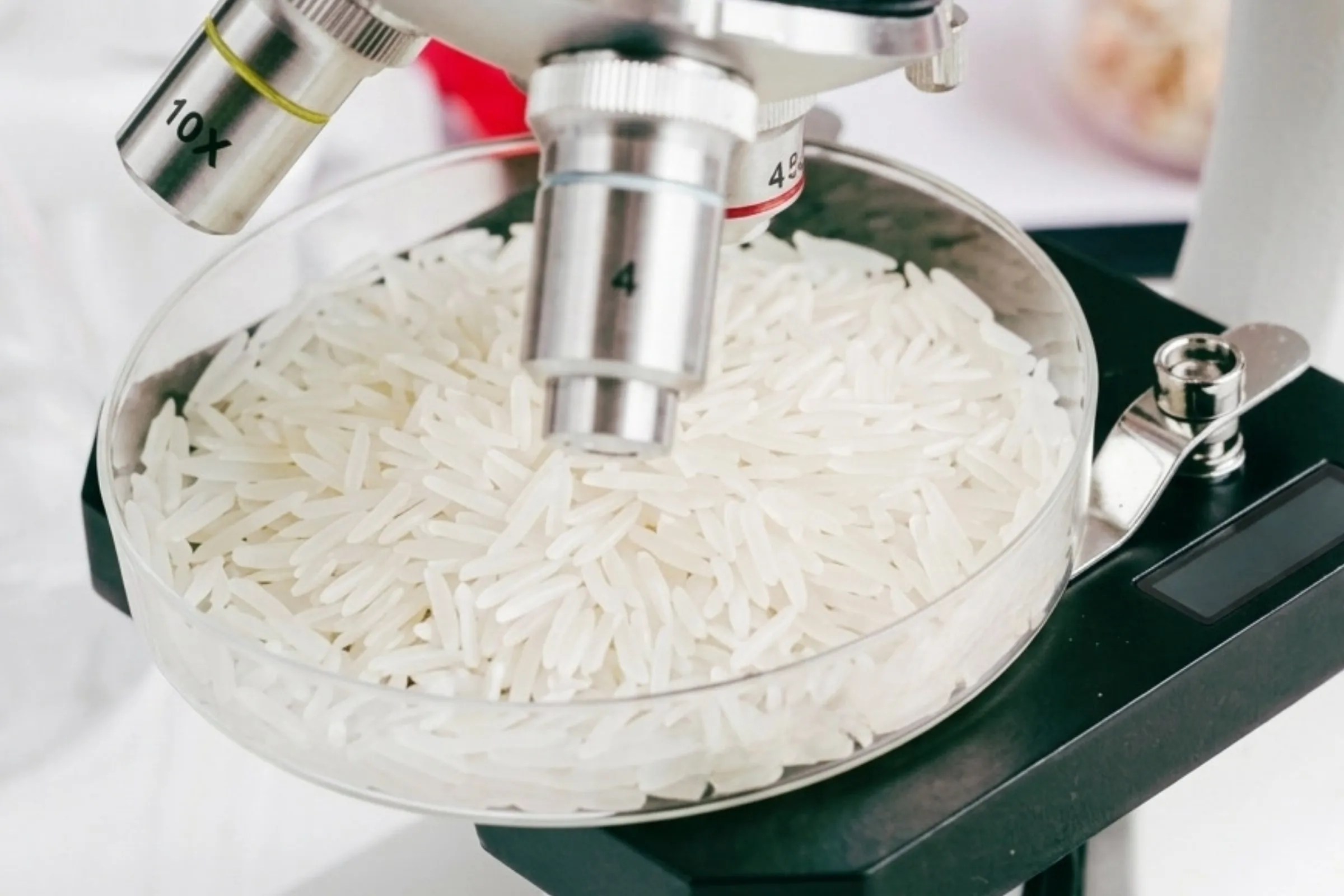
Rice quality control runs on every lot: an in house laboratory at the mills, third party inspection when your contract asks for it, and a lot number that ties the bag on the pallet back to the field it came from.
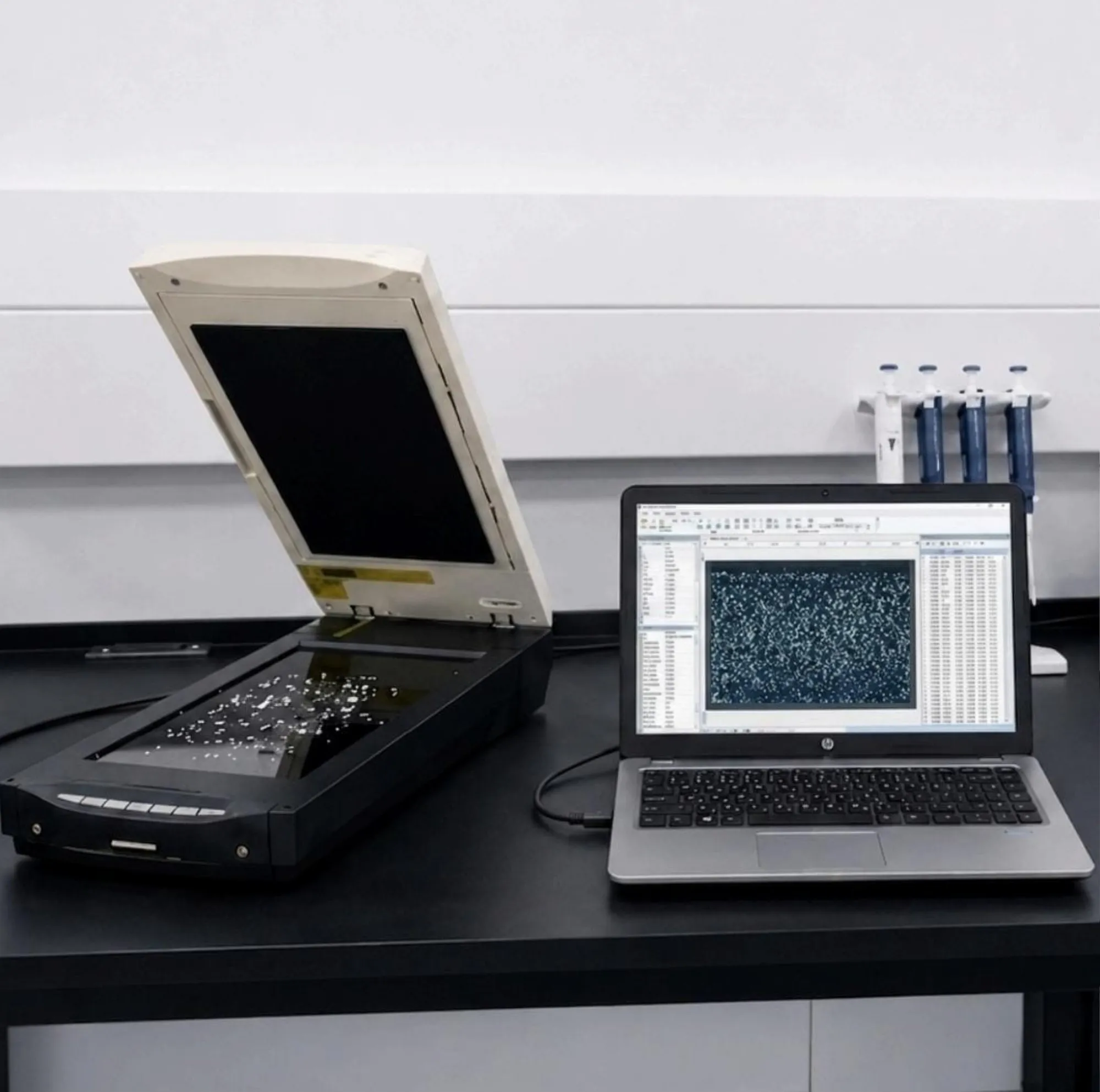
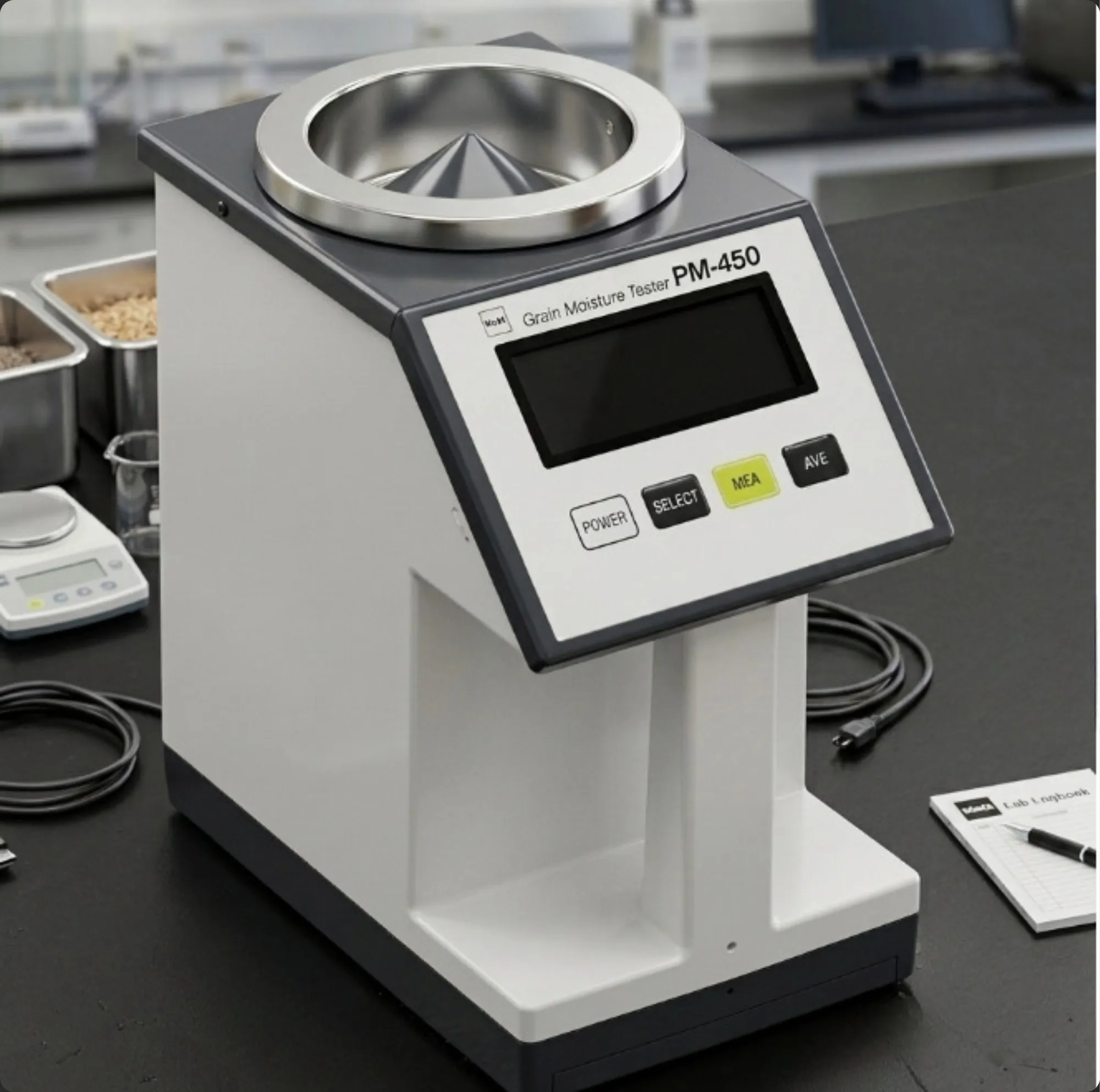
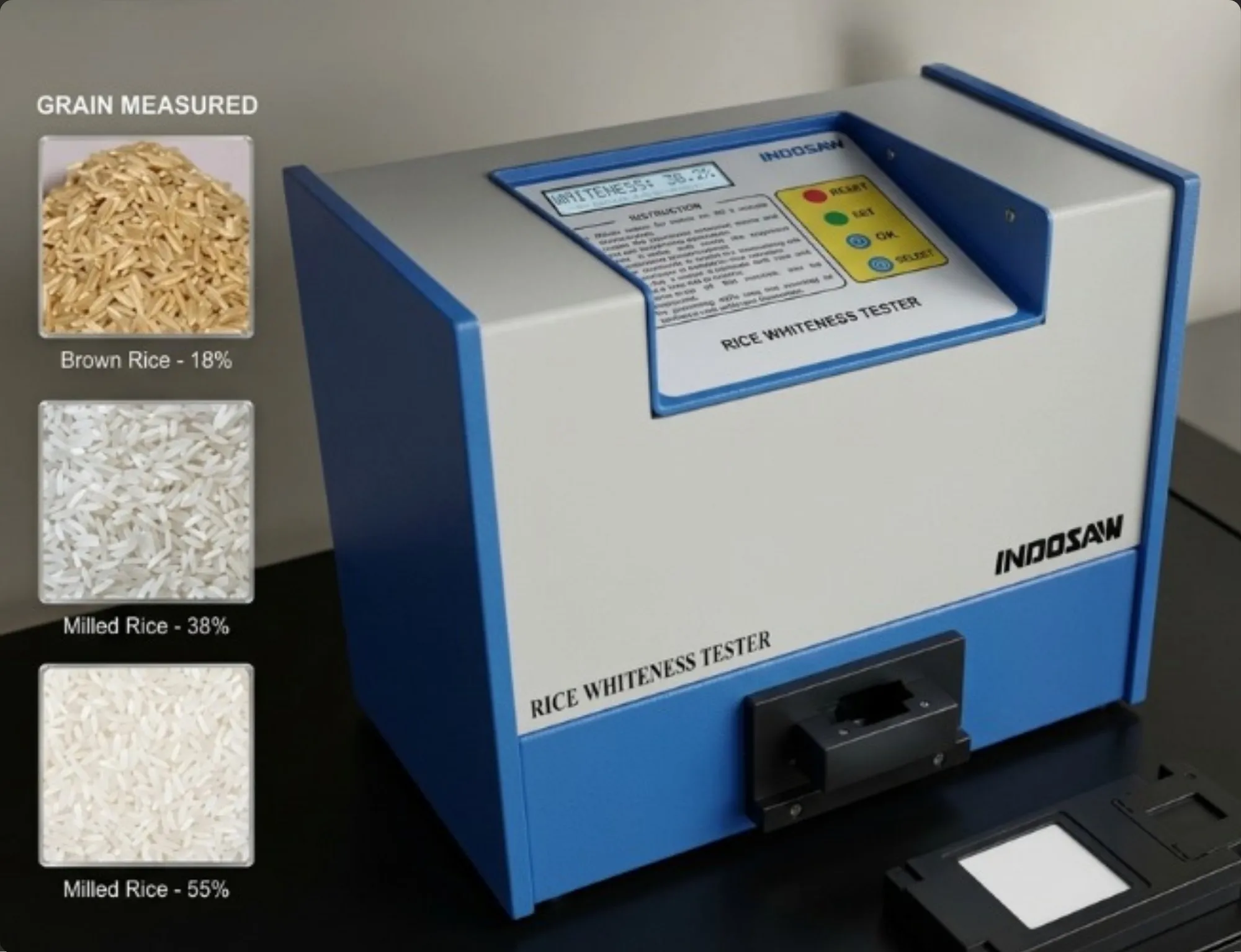
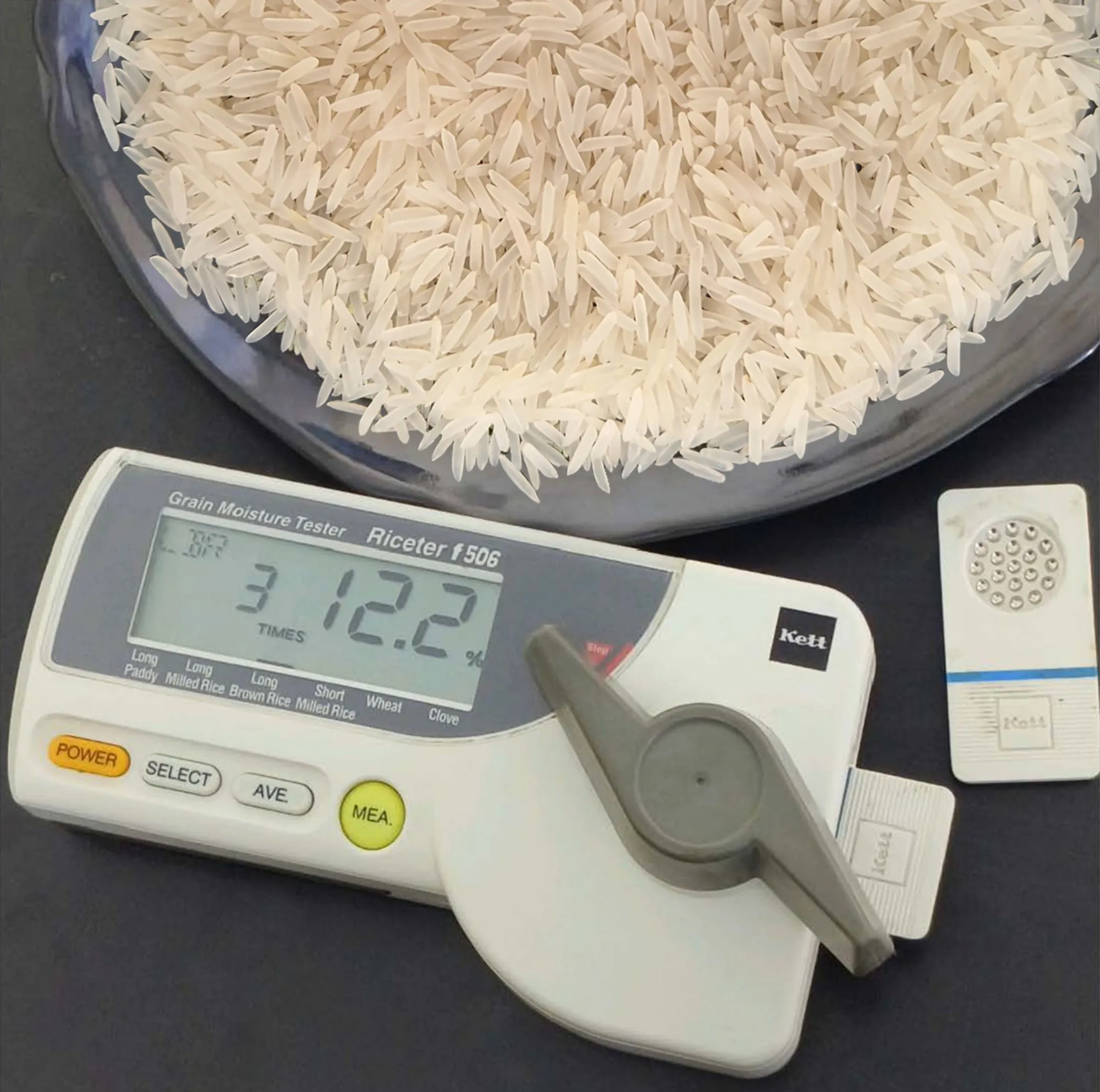
Our laboratories are built to international benchmarks and equipped for the tests that decide whether a lot ships: Rice testing huskers and hullers for milling yield, digital and infrared moisture meters, moisture determination balances, sample dividers and electronic balances.
Samples are drawn at intake, after drying, after milling, after grading and at bagging. Each result is recorded against the lot number. A lot that misses its specification does not move to the next stage, it goes back or it is re graded.
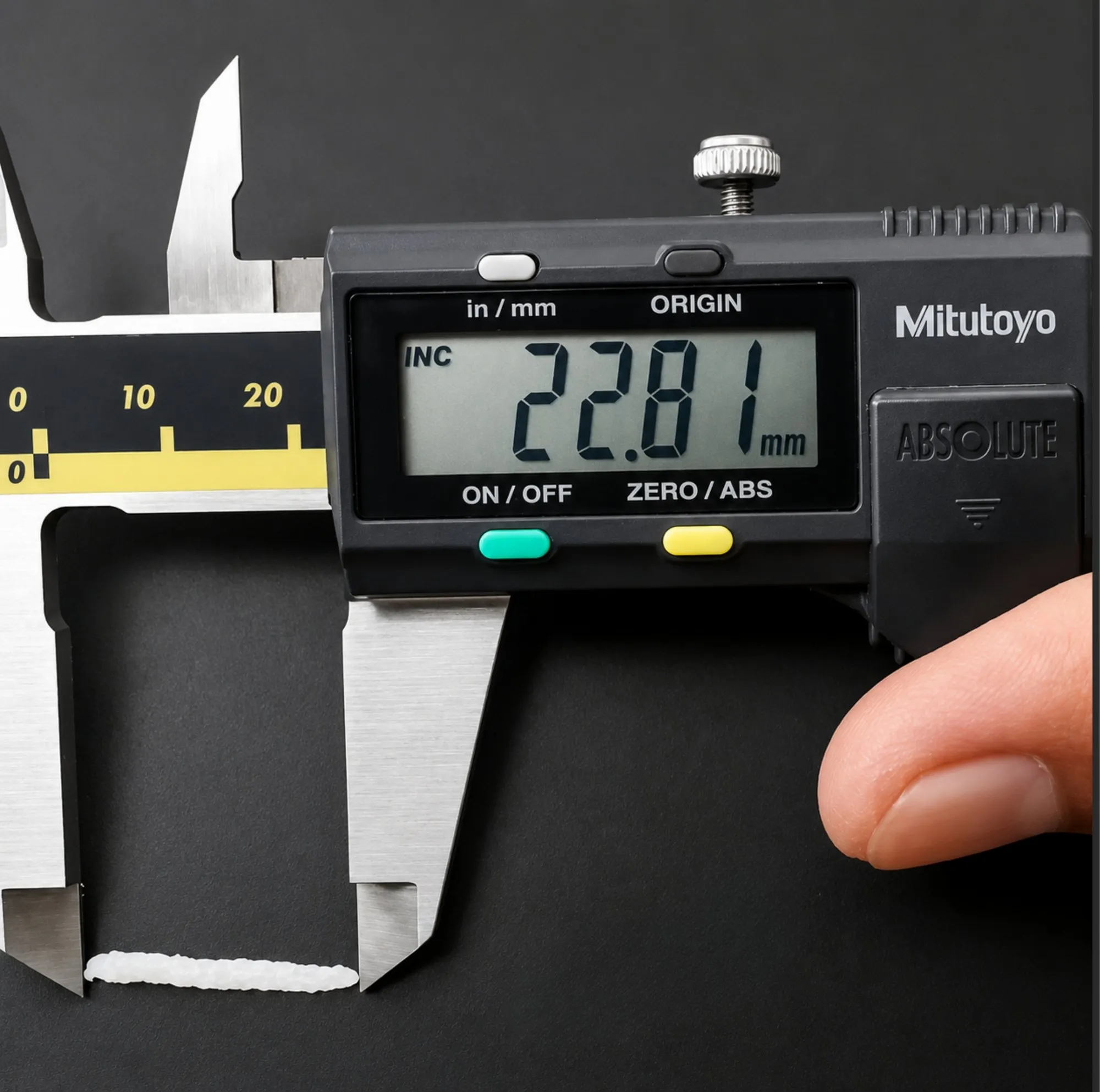
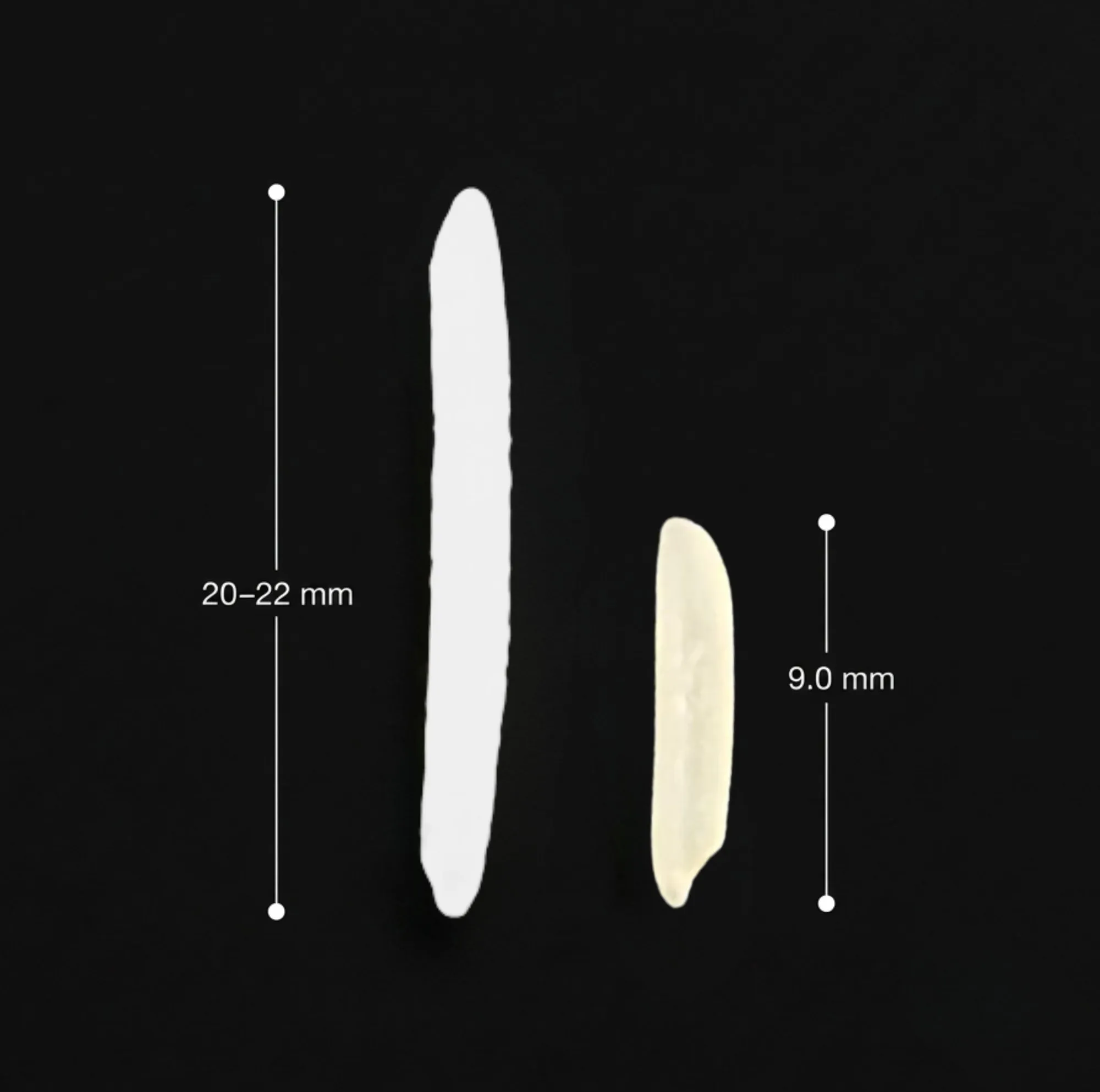
Milled samples of eight Rice types, each grain measured on a digital caliper in our laboratory. Length varies from lot to lot, so the figure that counts for your order is the one on the laboratory report for your lot.
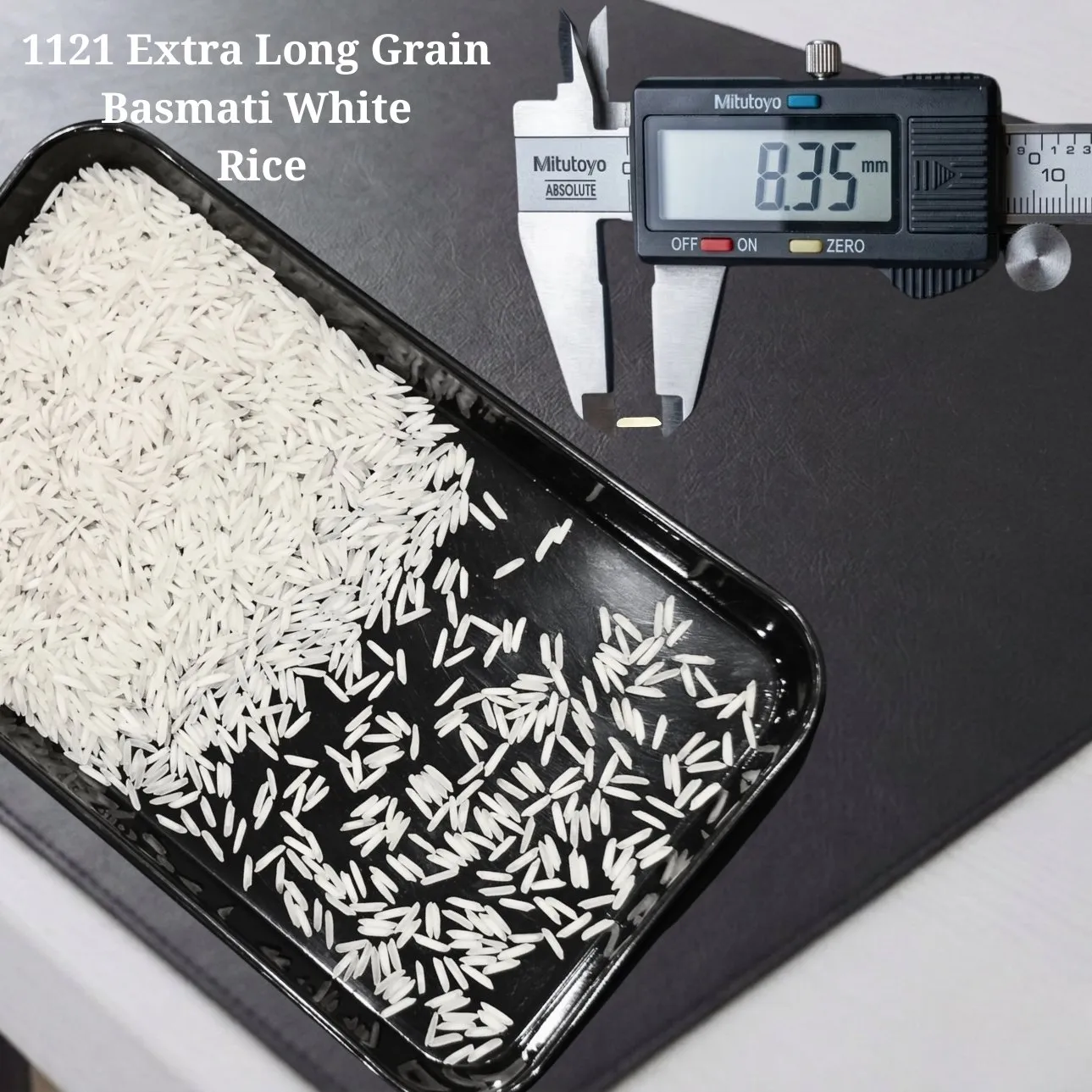
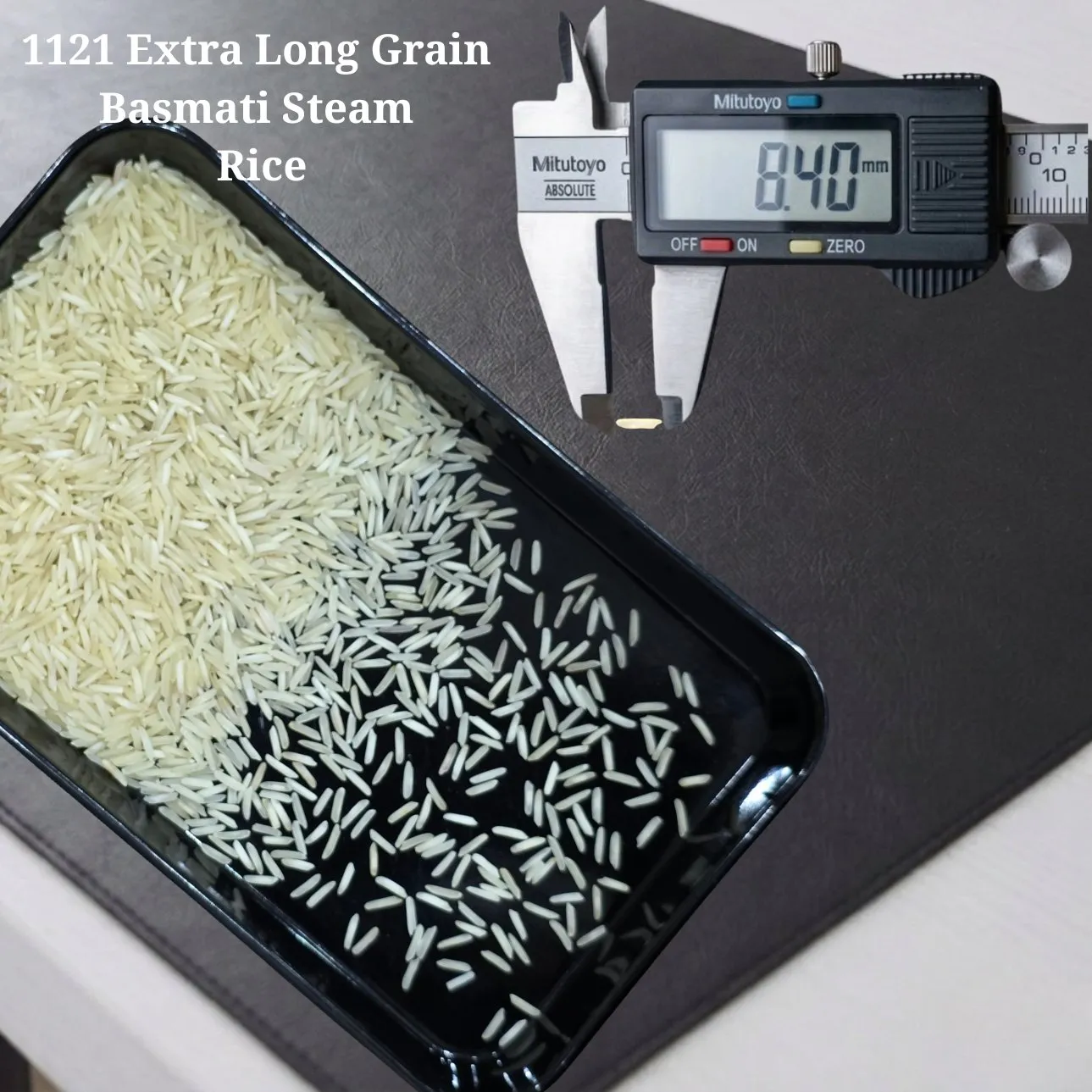
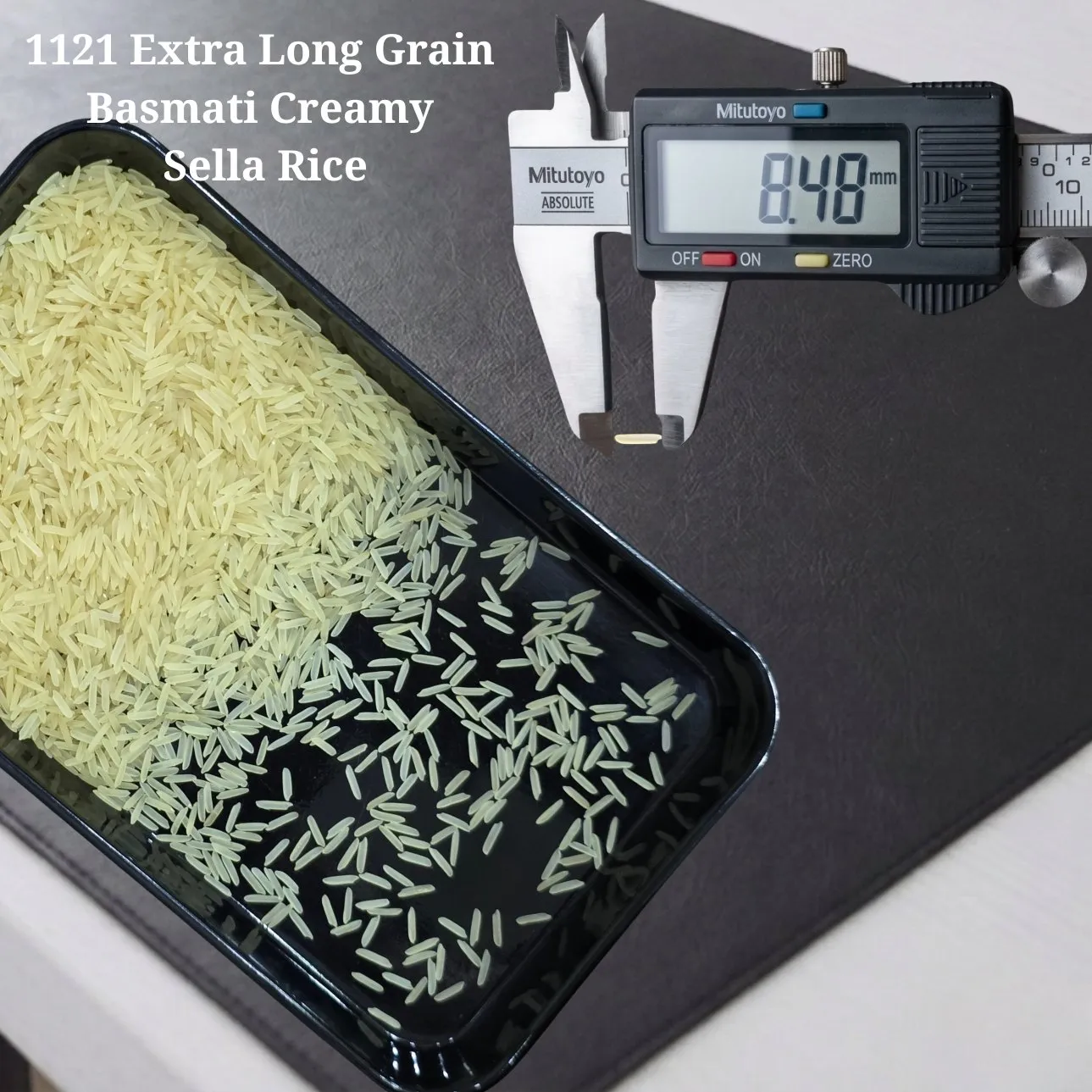
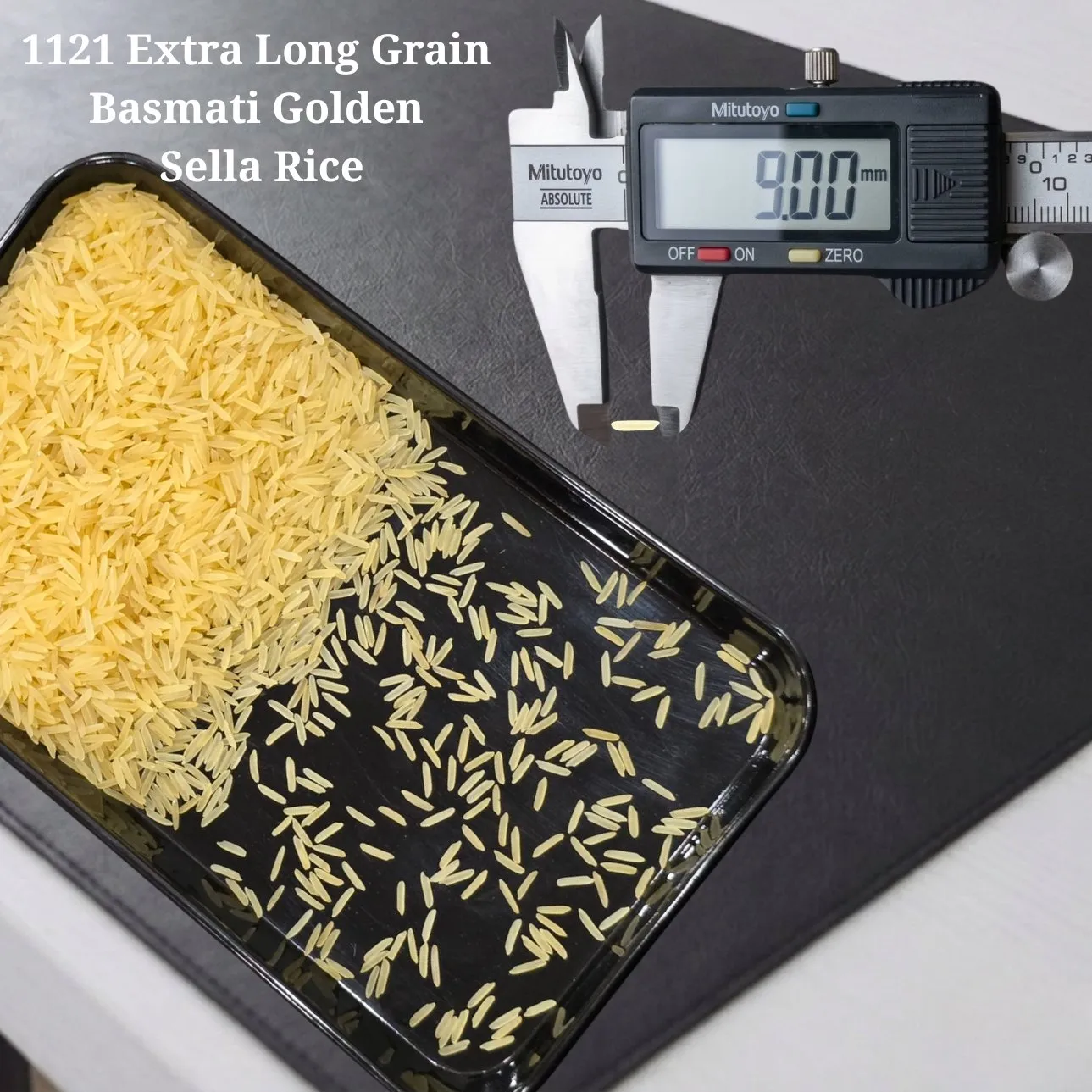
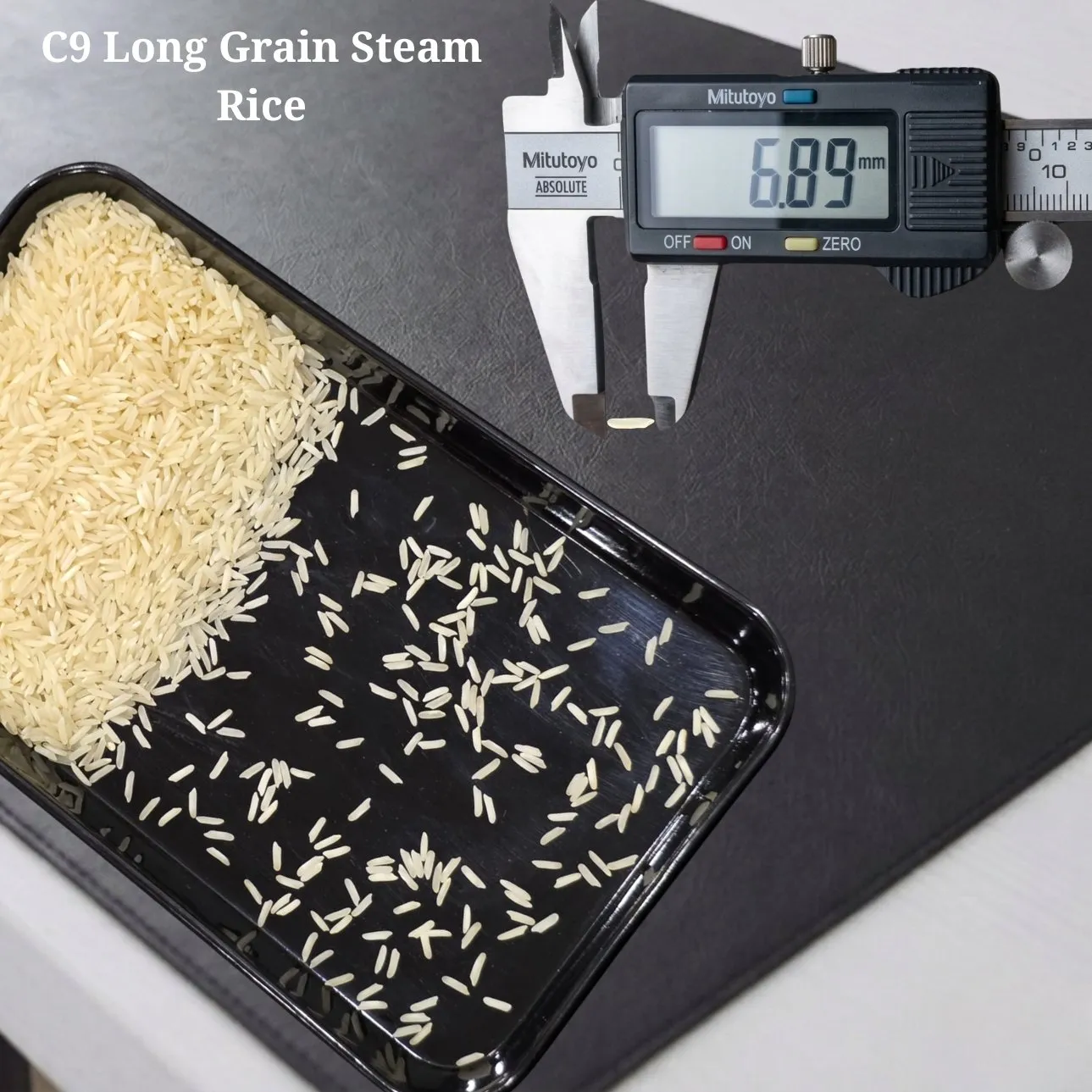
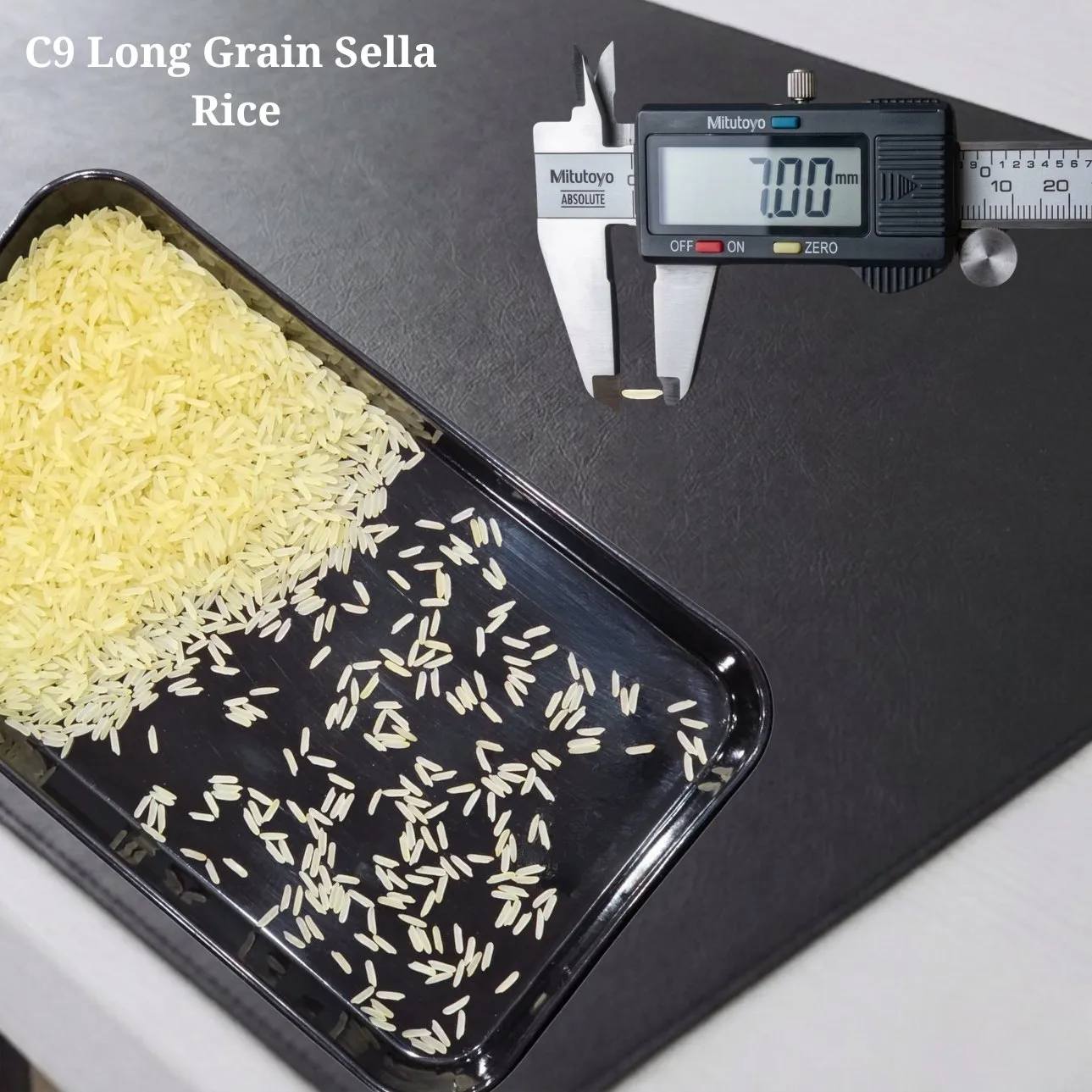
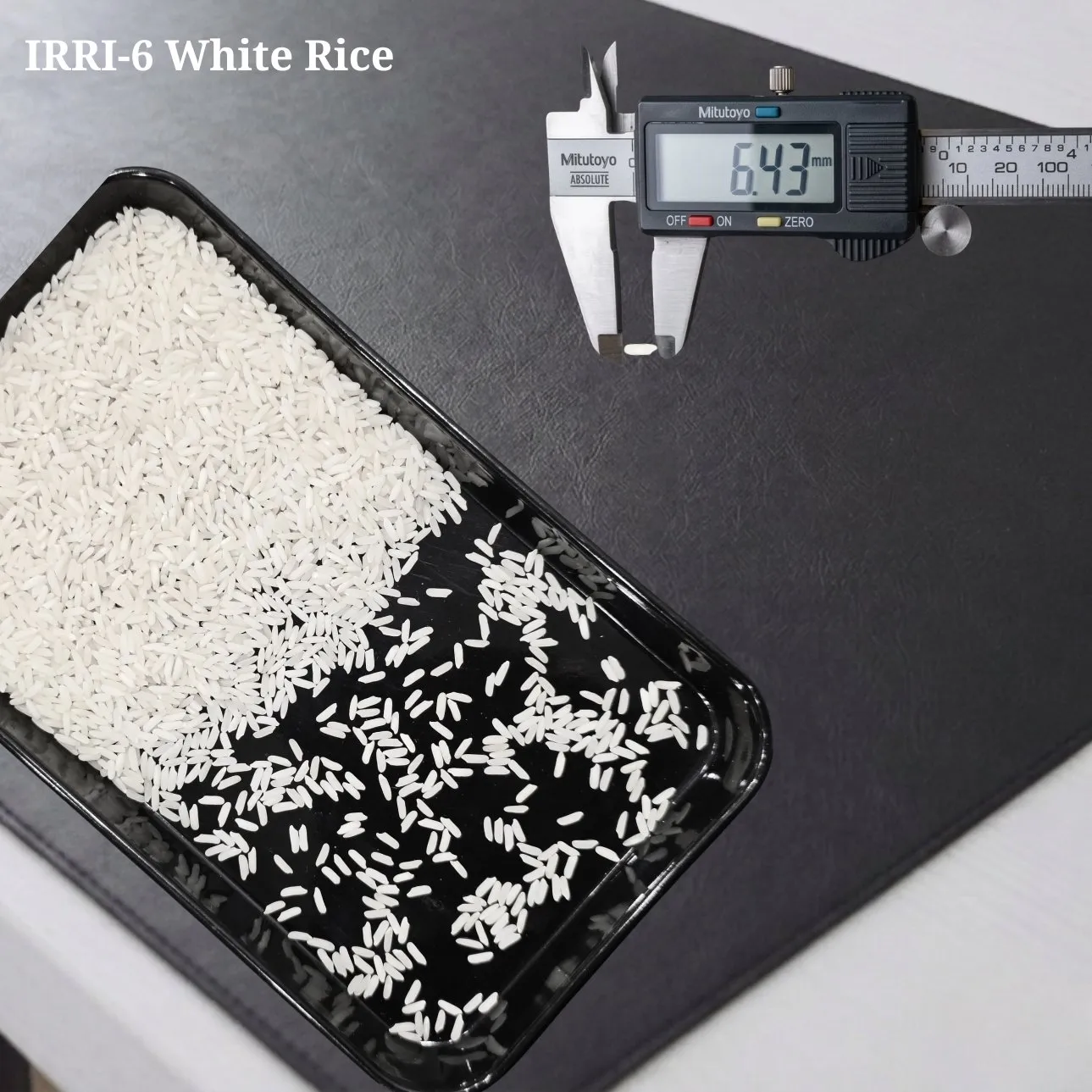
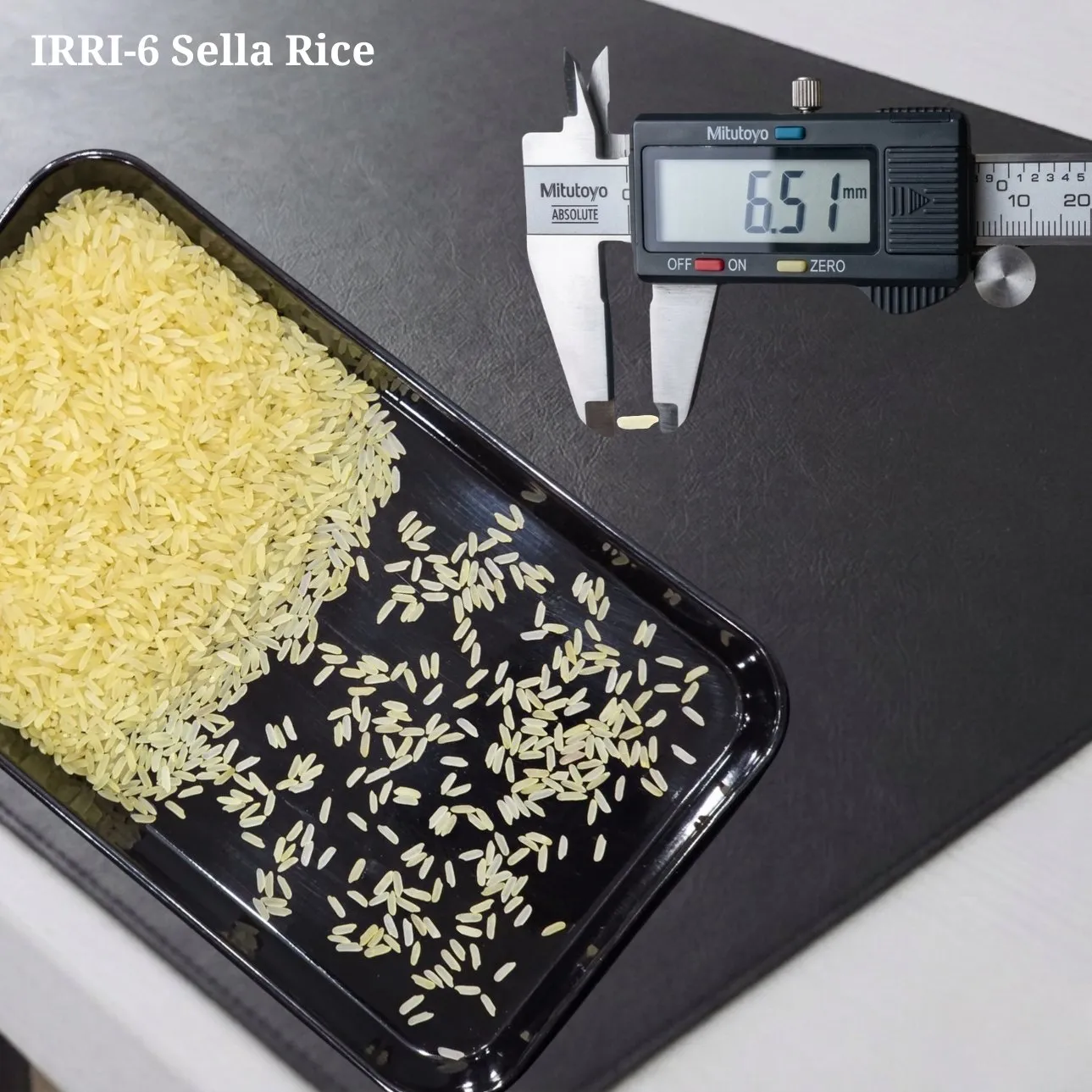
Grain length, moisture, whiteness, purity and broken percentage are measured on the sample drawn from your lot, and the readings travel with it.
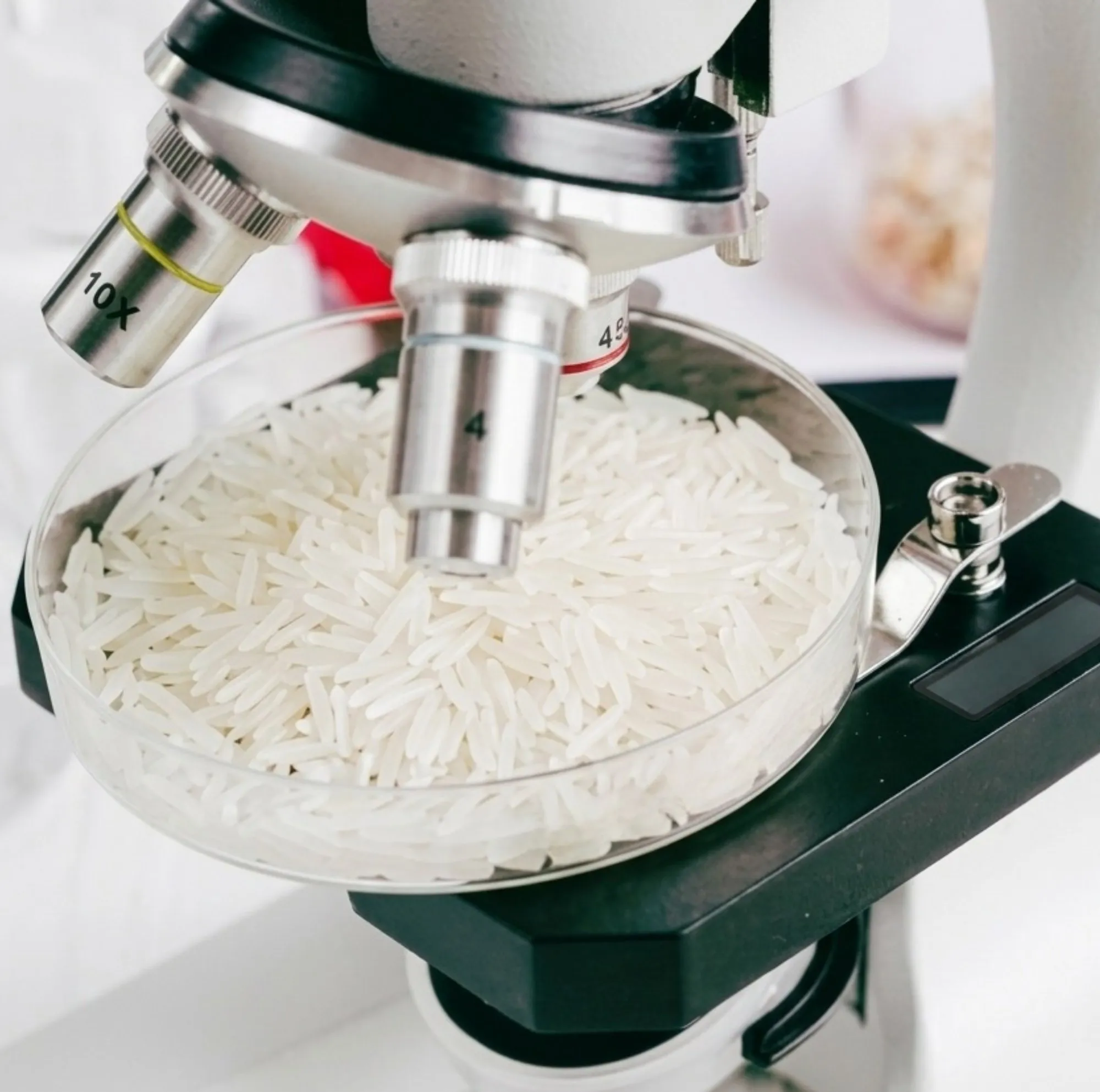

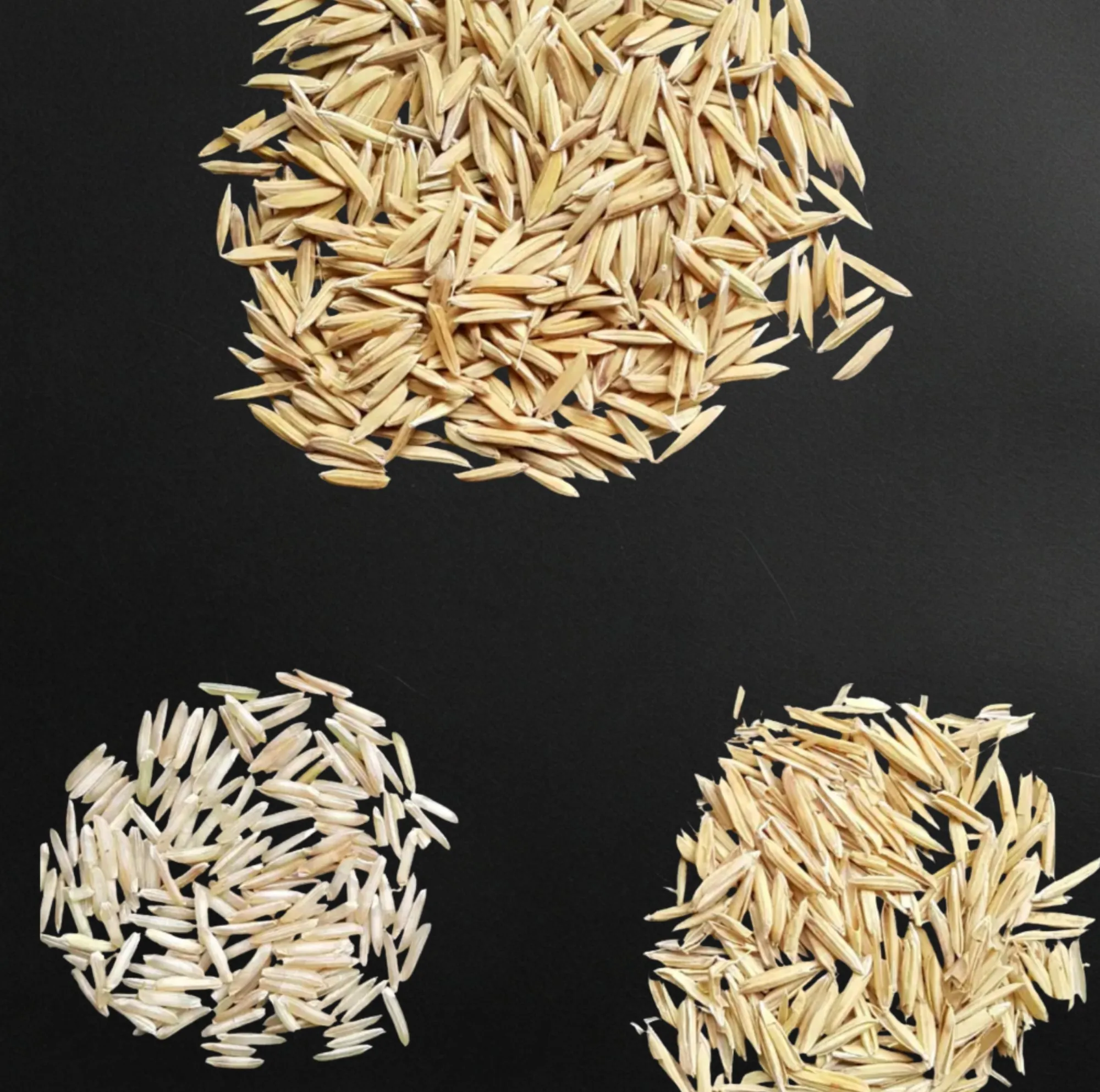
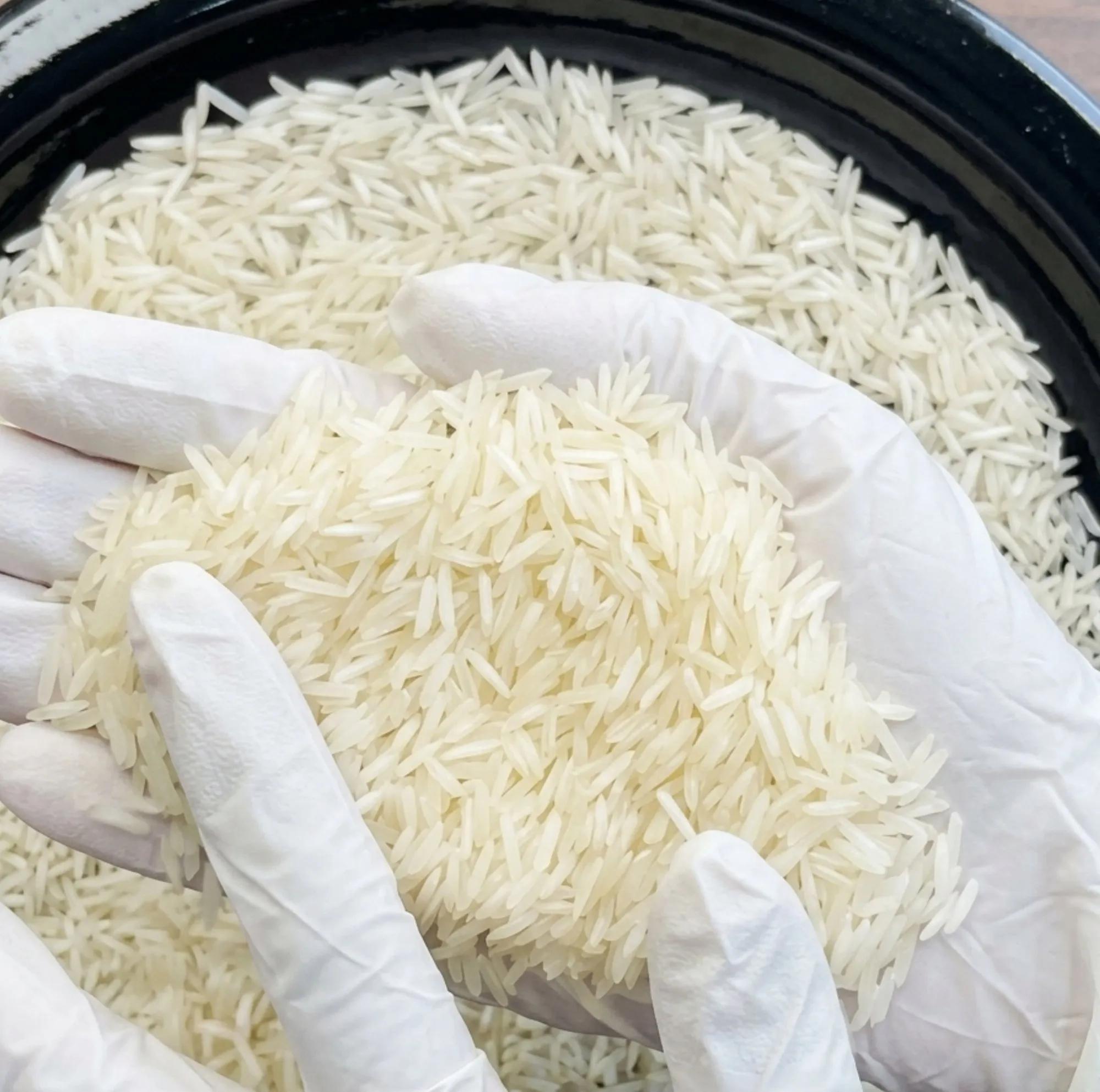
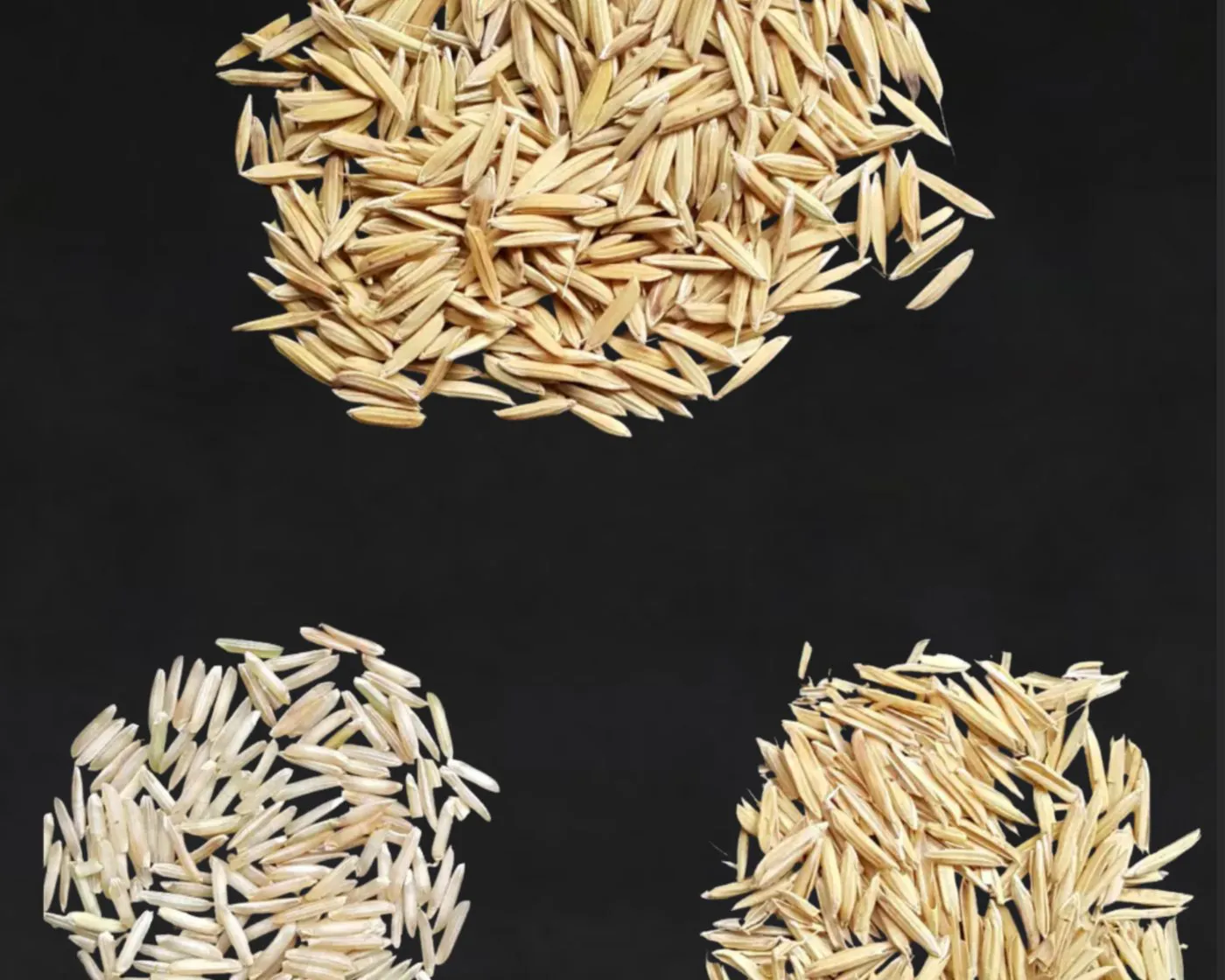
Every lot carries a number from intake to dispatch. Ask about a shipment two seasons later and we can tell you where the paddy came from, what it tested at, and who inspected it.
That record is what makes a residue claim or a recall procedure real rather than a paragraph in a policy. It is also what our certification audits examine most closely.
Where a buyer compares specifications across origins, the reference point is usually the Rice standard published by the Codex Alimentarius.
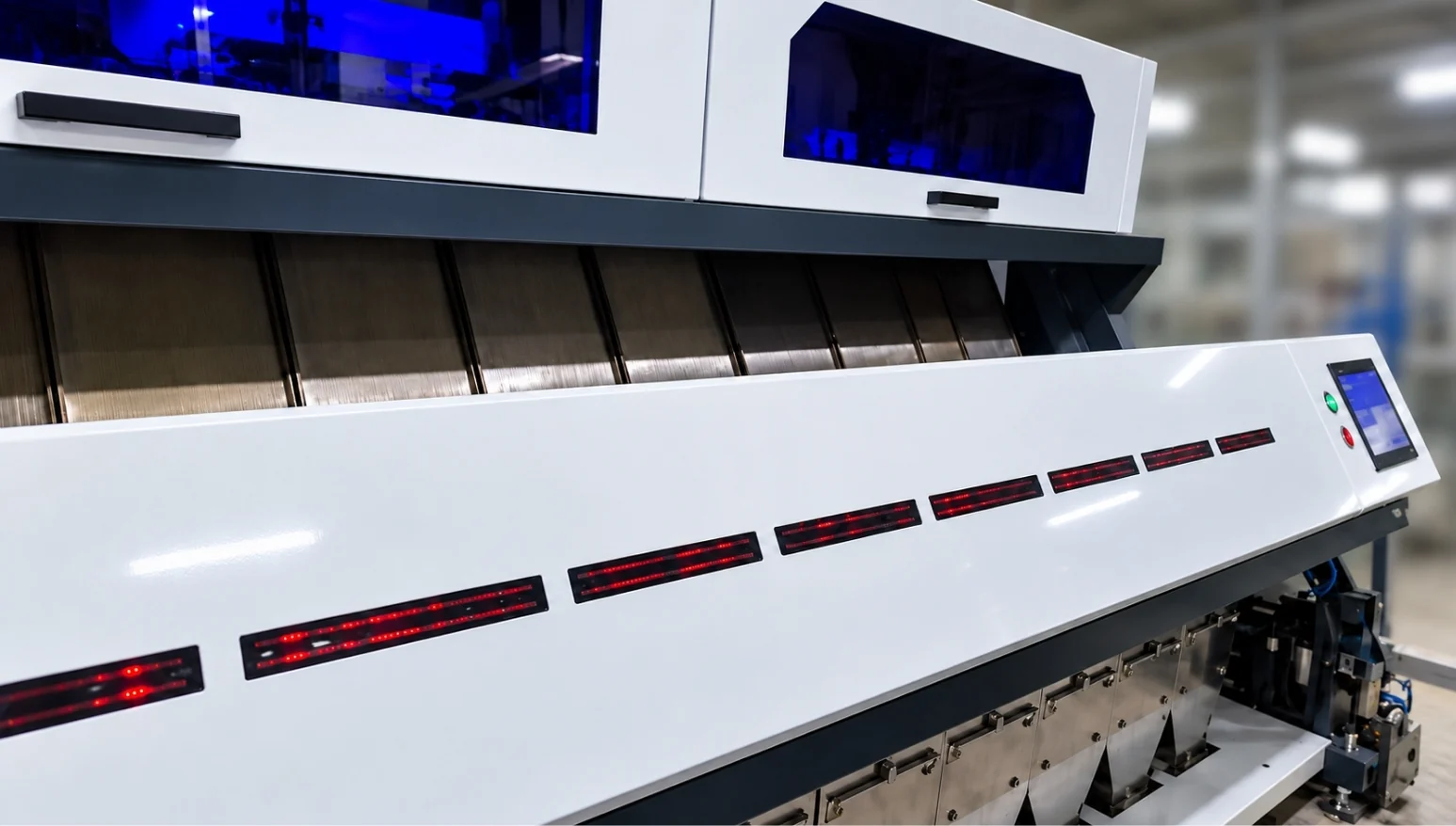
Sending samples to an outside laboratory and waiting three days for a result is fine for a certificate. It is useless for a decision. Moisture at intake has to be known while the truck is still on the weighbridge, and a broken percentage has to be known while the lot is still on the grader and can be run again.
So the routine work happens here: Rice testing huskers and hullers for milling yield, digital and infrared moisture meters, moisture determination balances, sample dividers and electronic balances. Accredited outside laboratories then handle what they should handle, residue and contaminant analysis, and third party agencies verify quality, weight and quantity before loading where a contract asks for it.