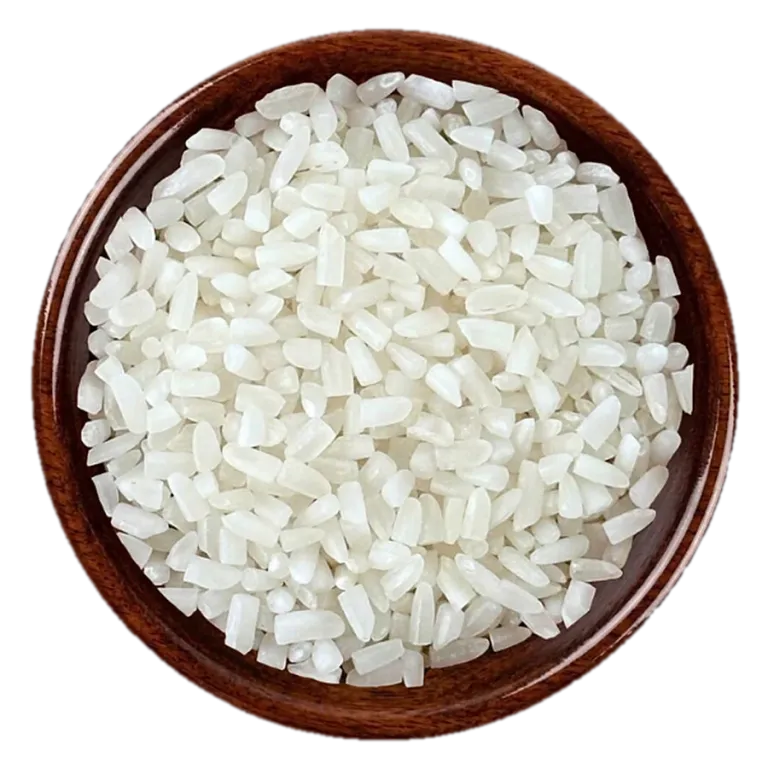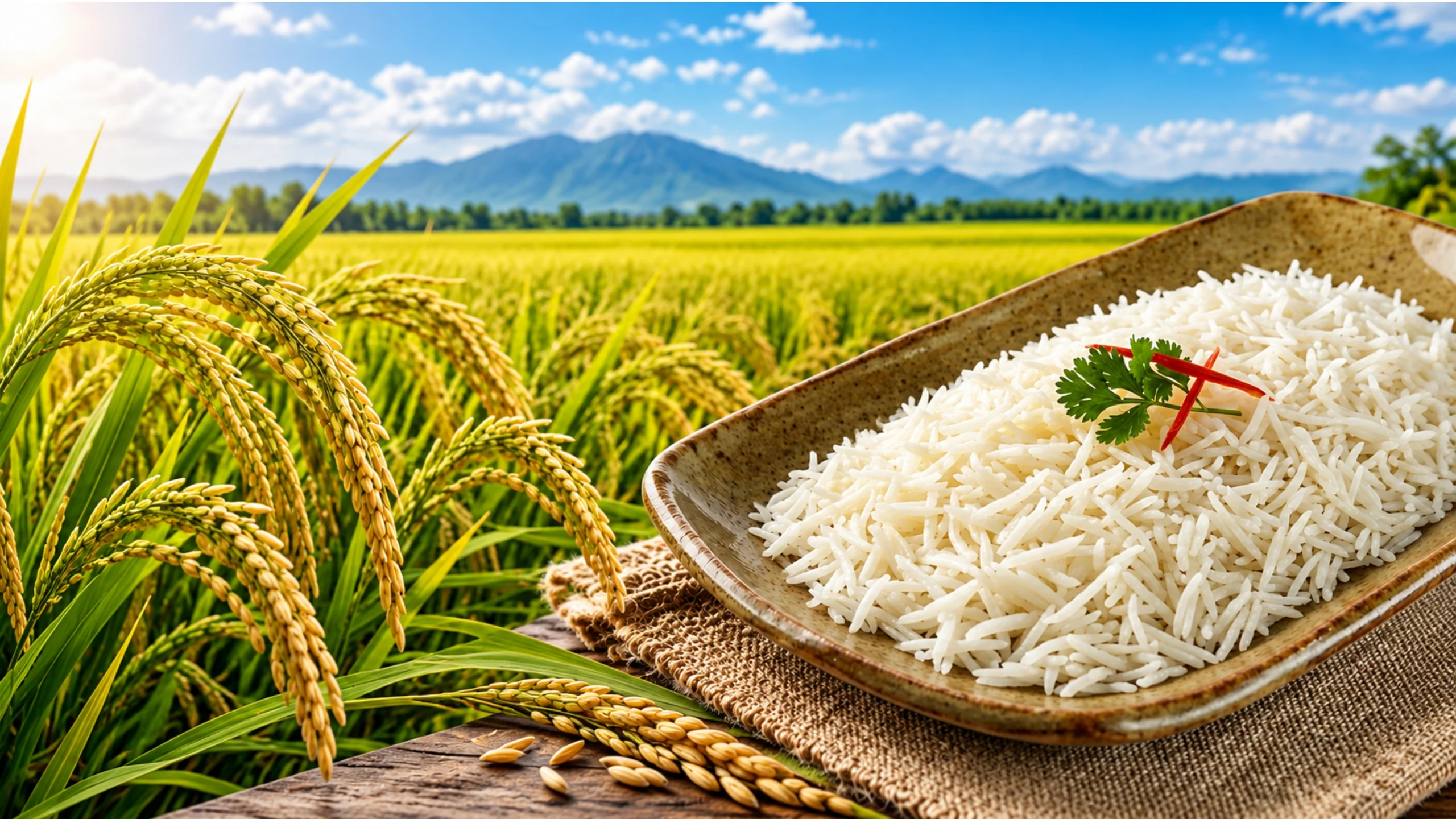
PK-386, Supri Sella, C-9, IRRI-6 and 100% broken. The varieties that fill containers into Africa, the Middle East and Asia without the Basmati premium. Each is milled, graded and laboratory tested to the same standard as our Basmati, in consumer packs from 1 kg or bulk bags up to 50 kg.
Our Non-Basmati range. Choose a bowl for every form of the variety
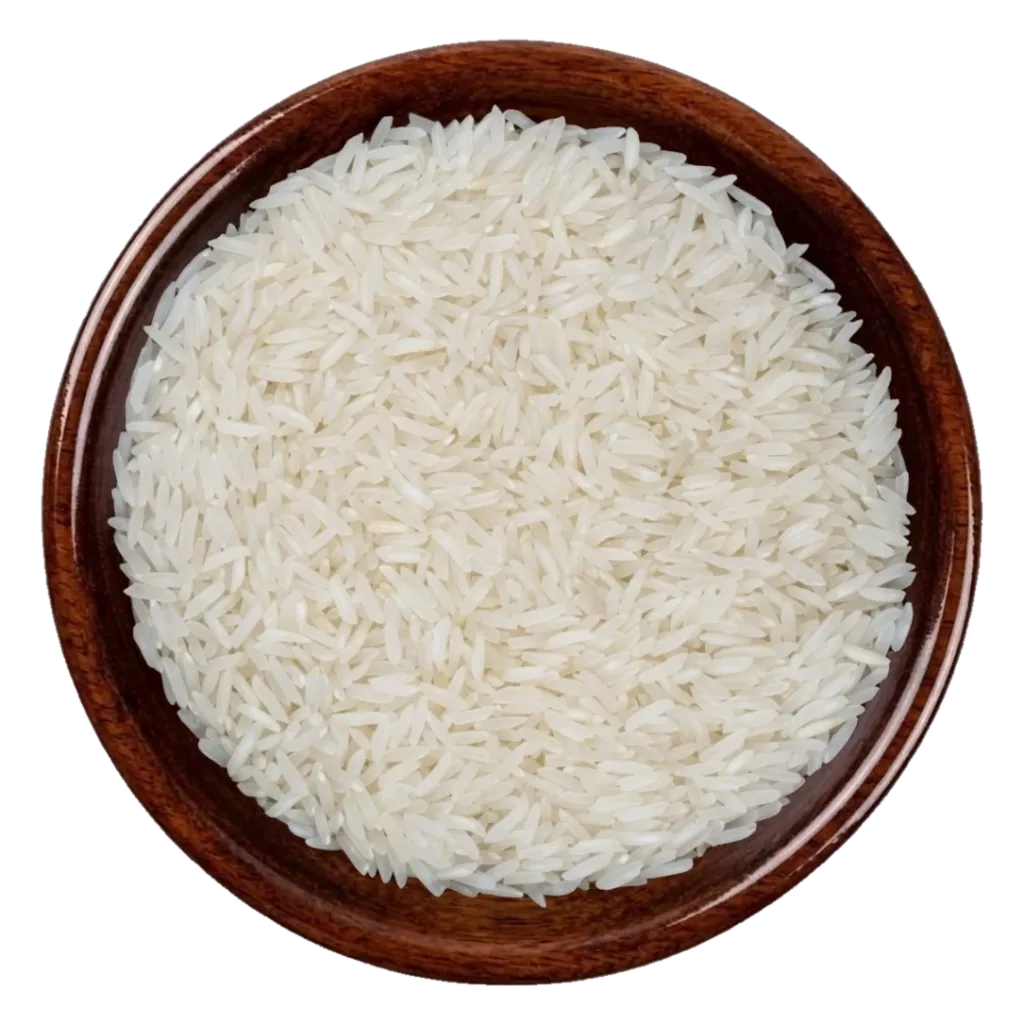
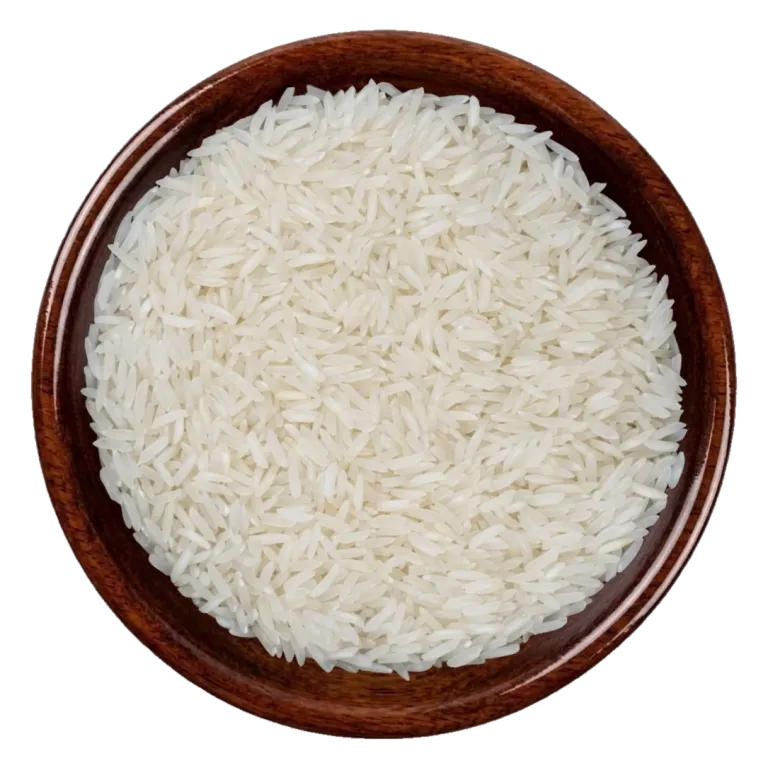
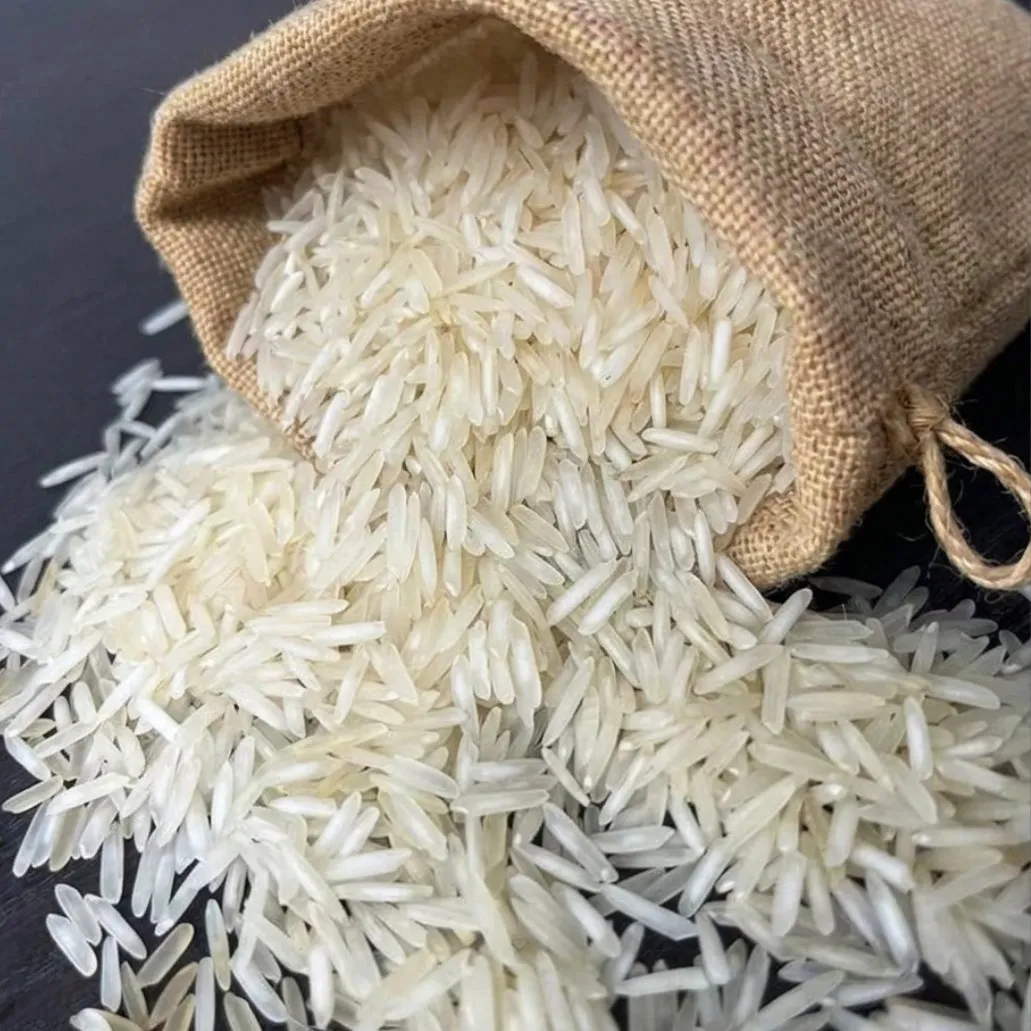
Buyers call it the Basmati look alike. A long grain of 6.8 mm or more with a soft natural flavour, grown only in the traditional Rice districts of Pakistani Punjab.
Figures for the first form. Every form has its own table on the variety page.
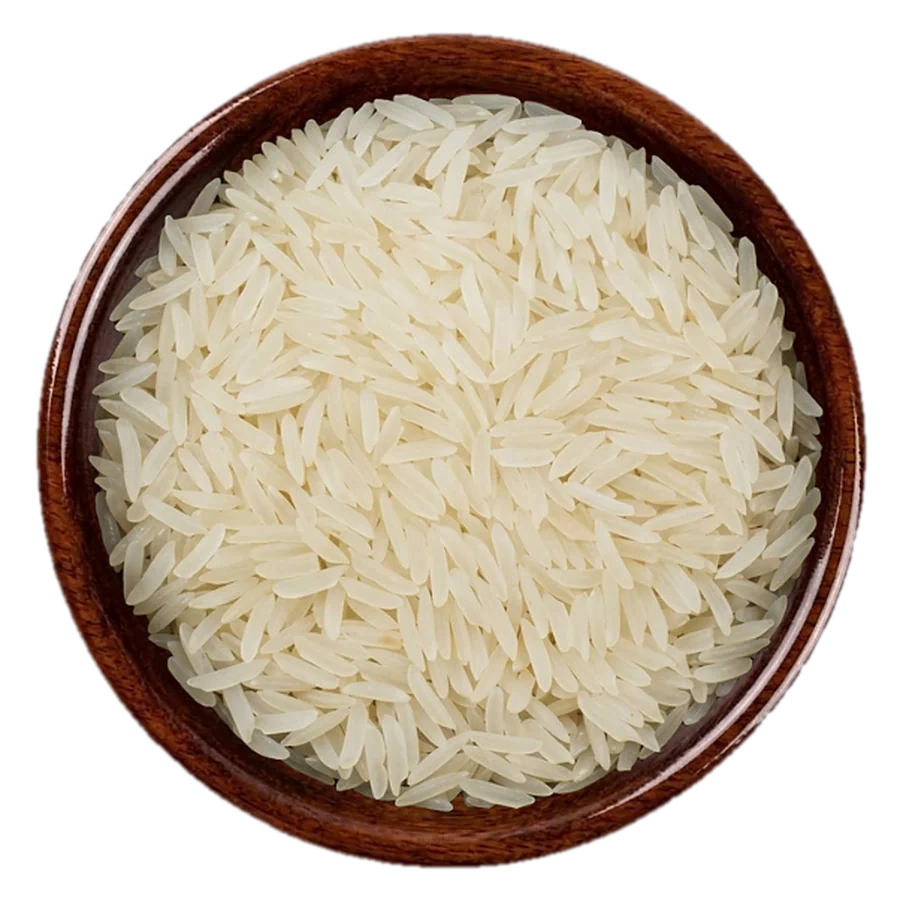
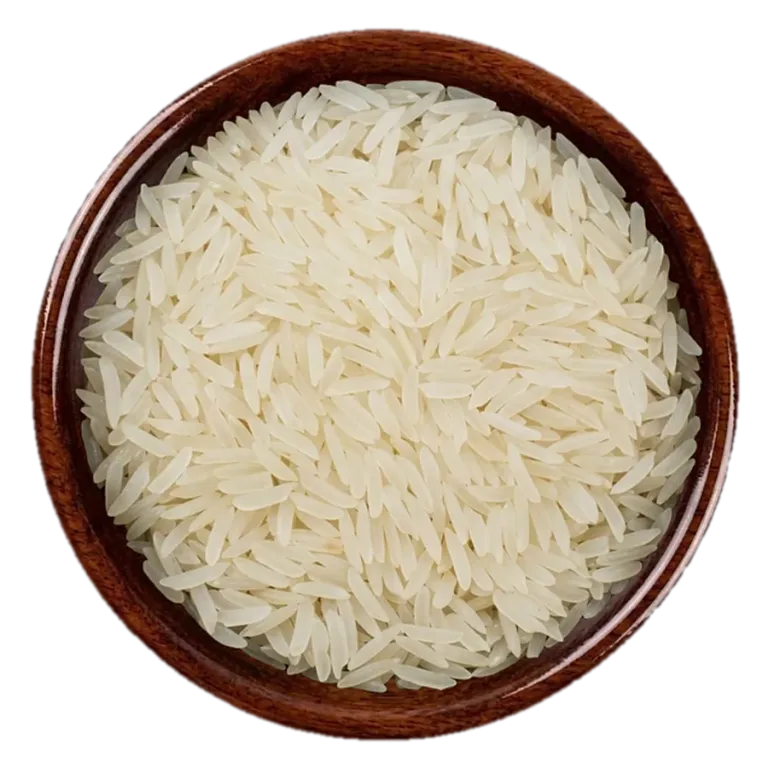
A parboiled long grain Non-Basmati from Punjab that looks close to Basmati at a lower cost. The grain is parboiled in the husk before milling, so it cooks firm and separate.
Figures for the first form. Every form has its own table on the variety page.
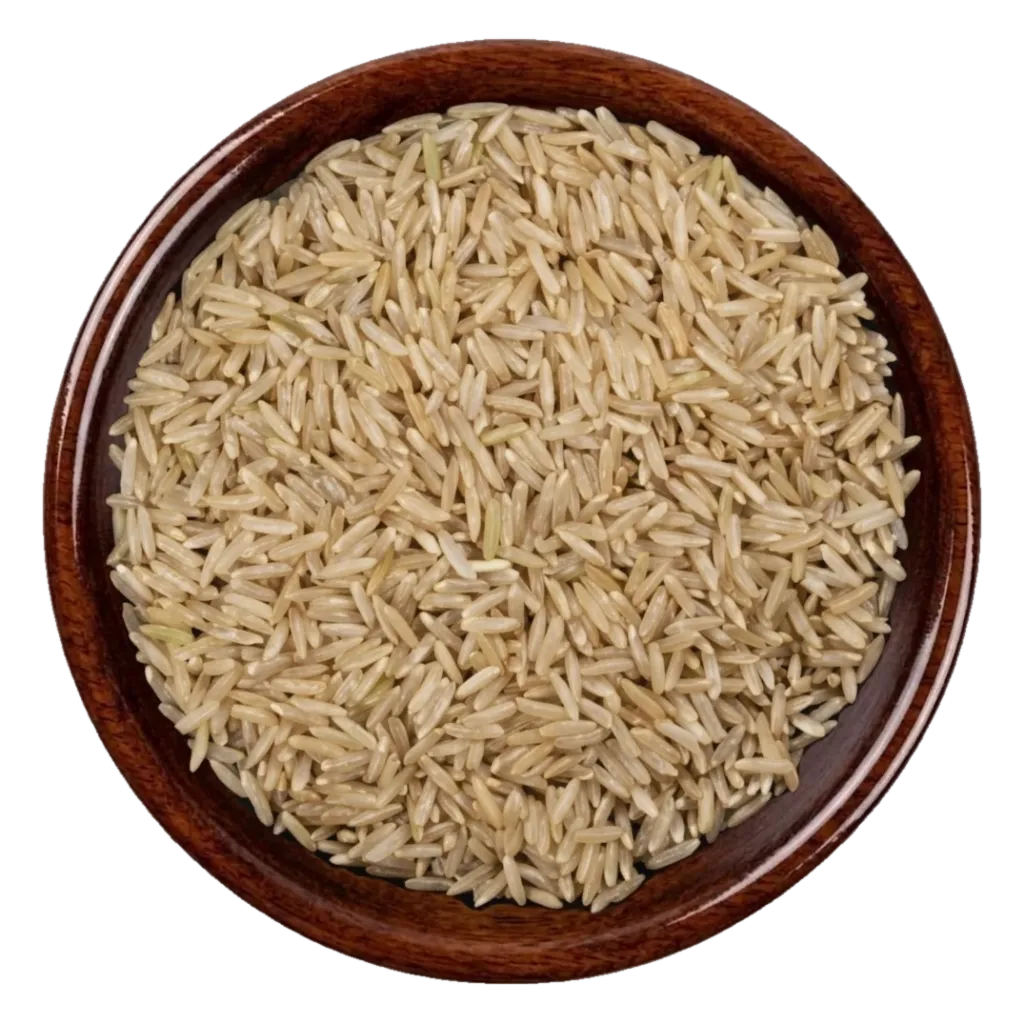
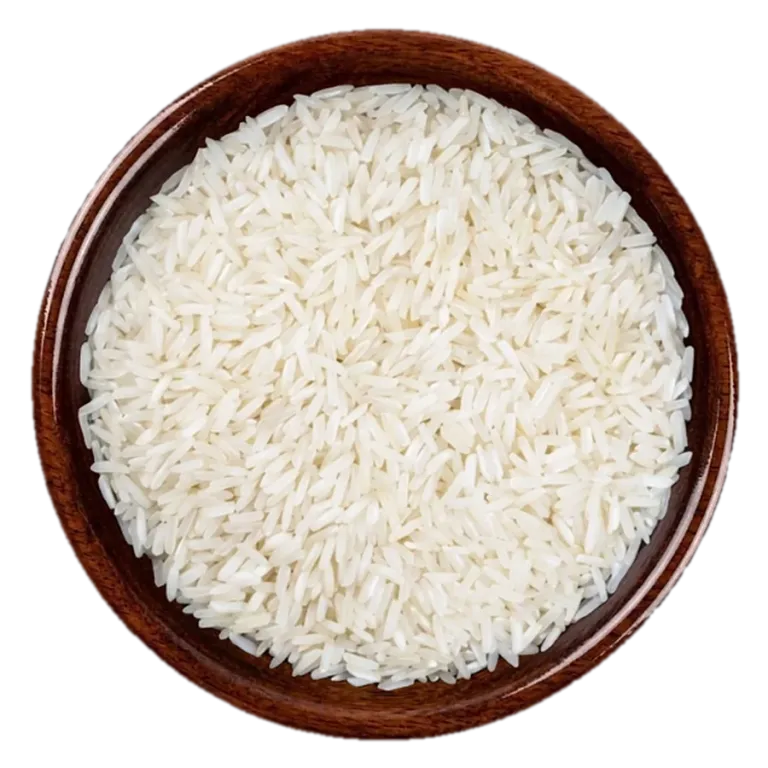
C-9 Rice, sold in some markets as IRRI-9. Long, narrow, opaque grains from Sindh and southern Punjab that stay whole in the pot and cook fluffy and separate.
Figures for the first form. Every form has its own table on the variety page.
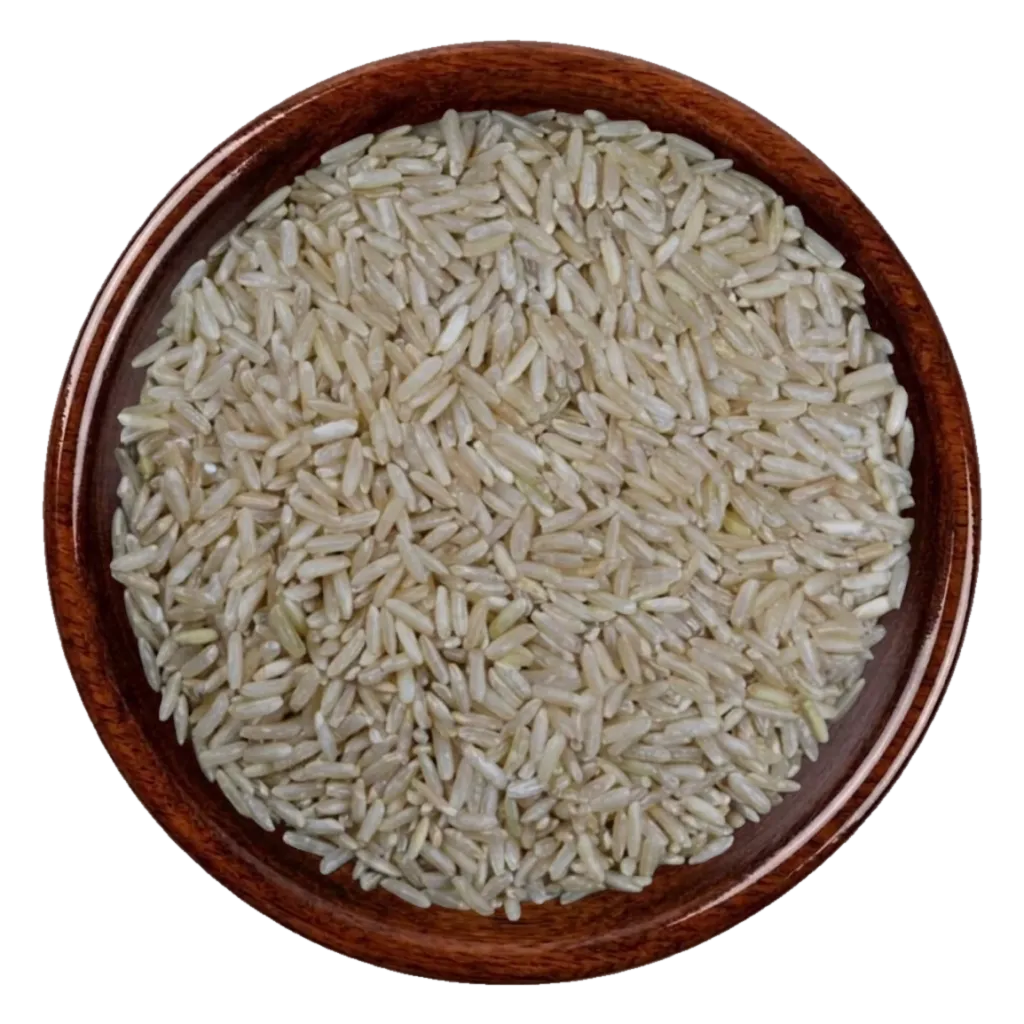
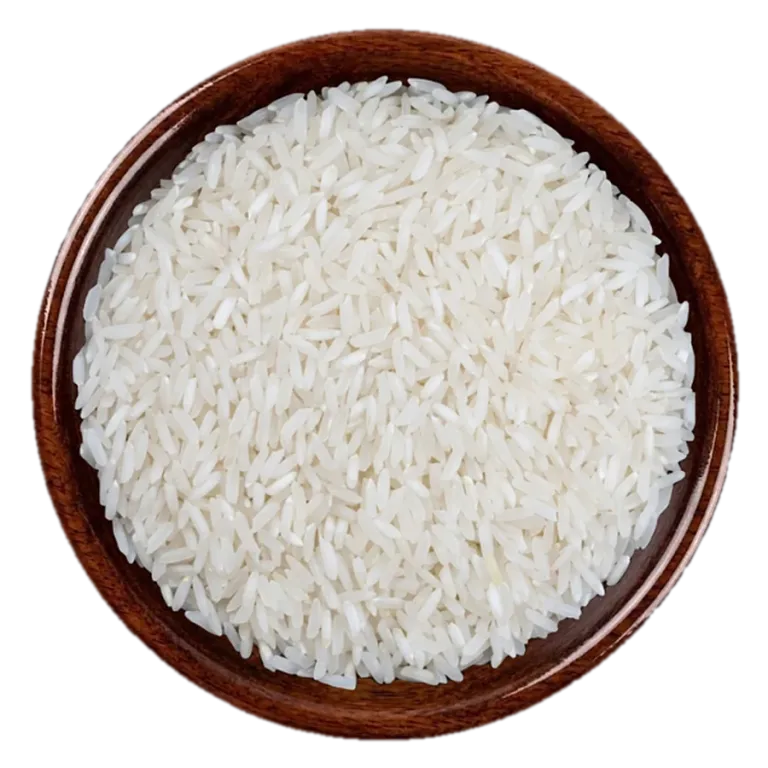
Grown mainly in Sindh, IRRI-6 is the variety that fills containers. Long, soft grains, dependable supply and a price that works at volume.
Figures for the first form. Every form has its own table on the variety page.
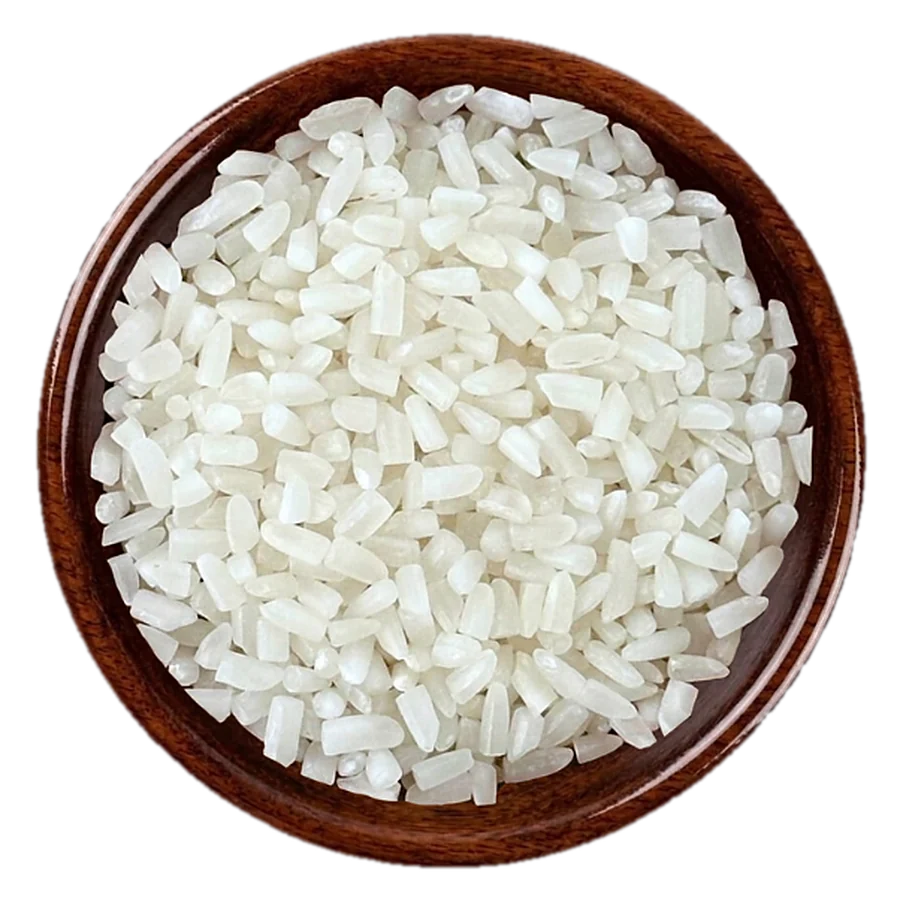
Fragments under 4.5 mm separated during the length grading of IRRI-6. Same grain, same nutrition, sold as a product in its own right.
Figures for the first form. Every form has its own table on the variety page.
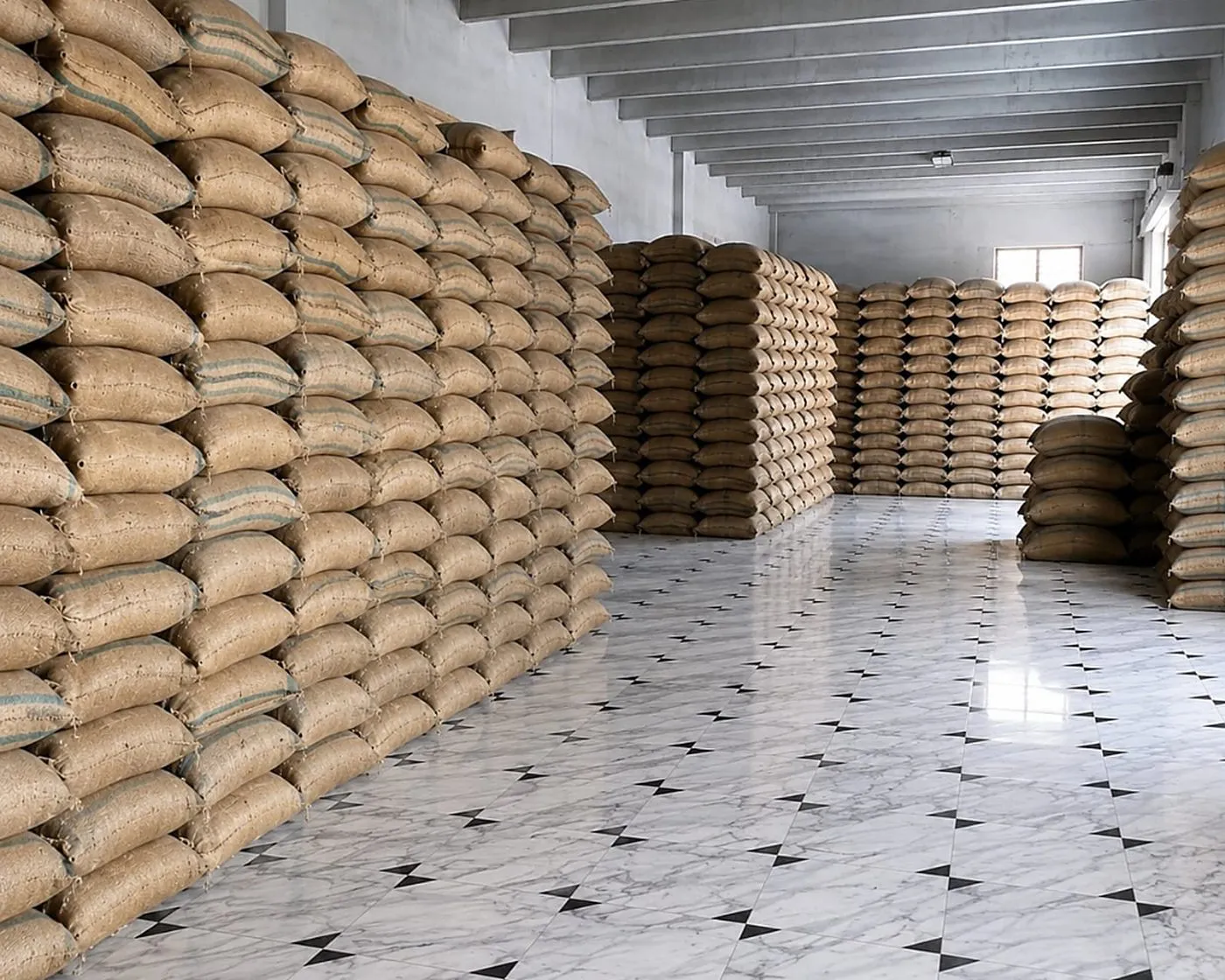
Non-Basmati buyers plan seasons, not shipments. Our silo and warehouse capacity is what lets us commit to a programme and hold to it.
80,000 MT of paddy silos, 25,000 MT of warehousing and processing at 60 MT an hour sit behind every Non-Basmati contract we sign. Broken percentages are set on the blending machine to the contract, not sorted by eye.
Sella and steam Rices are graded to the same standard as our Basmati, which is what keeps a caterer ordering the same grade twice.