Welcome to Green International and GreenGroup
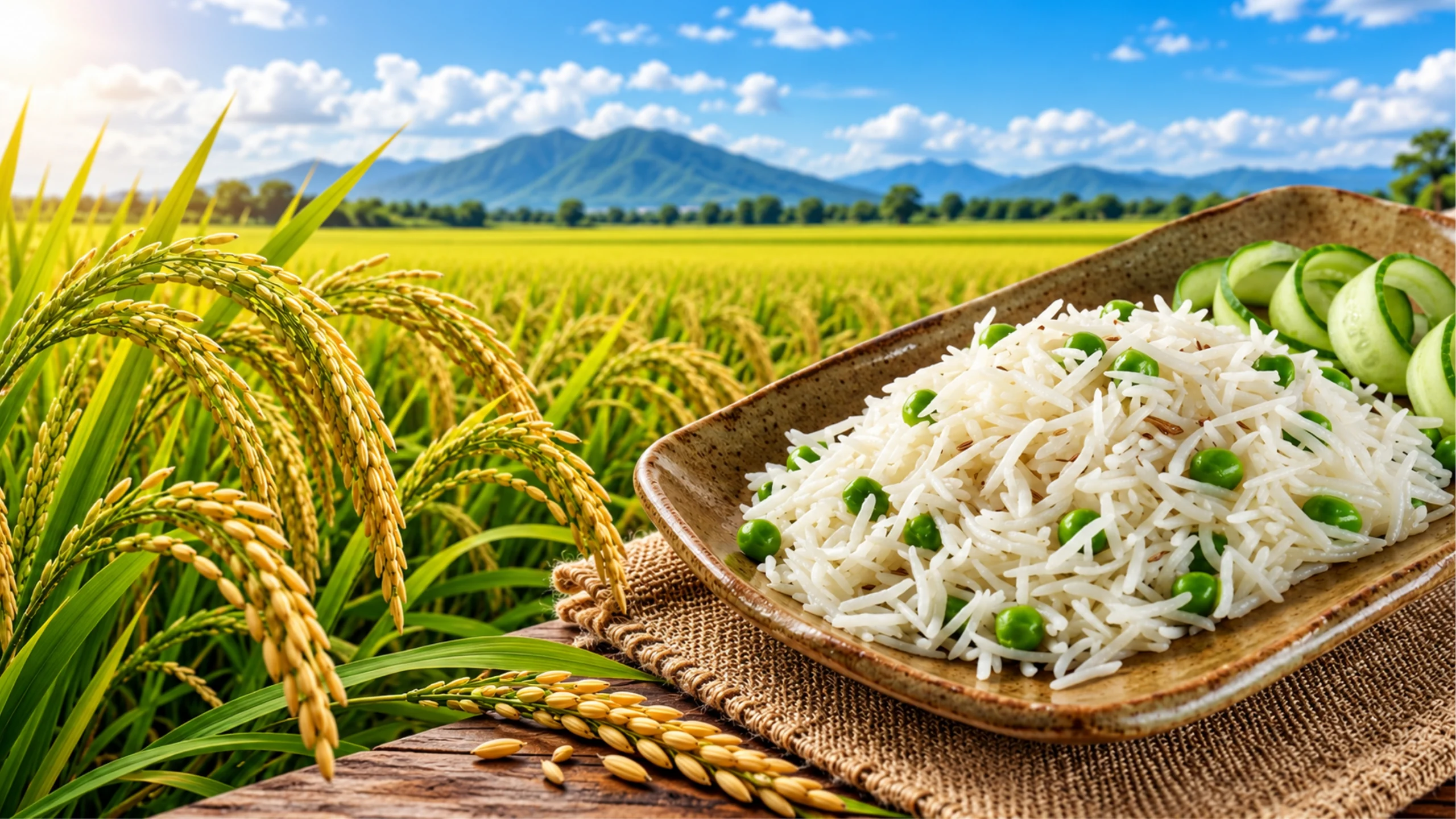
Ripe Basmati paddy in the field beside a dish of cooked Basmati Rice
Basmati Rice

Pakistani Basmati Rice, grown where the aroma comes from.

Three Basmati Rice varieties milled and exported from our own plants: 1121, Super Kernel and D-98. Long grain, natural aroma, and elongation you can measure.

Our Basmati, milled white. Choose a bowl for every form of the variety
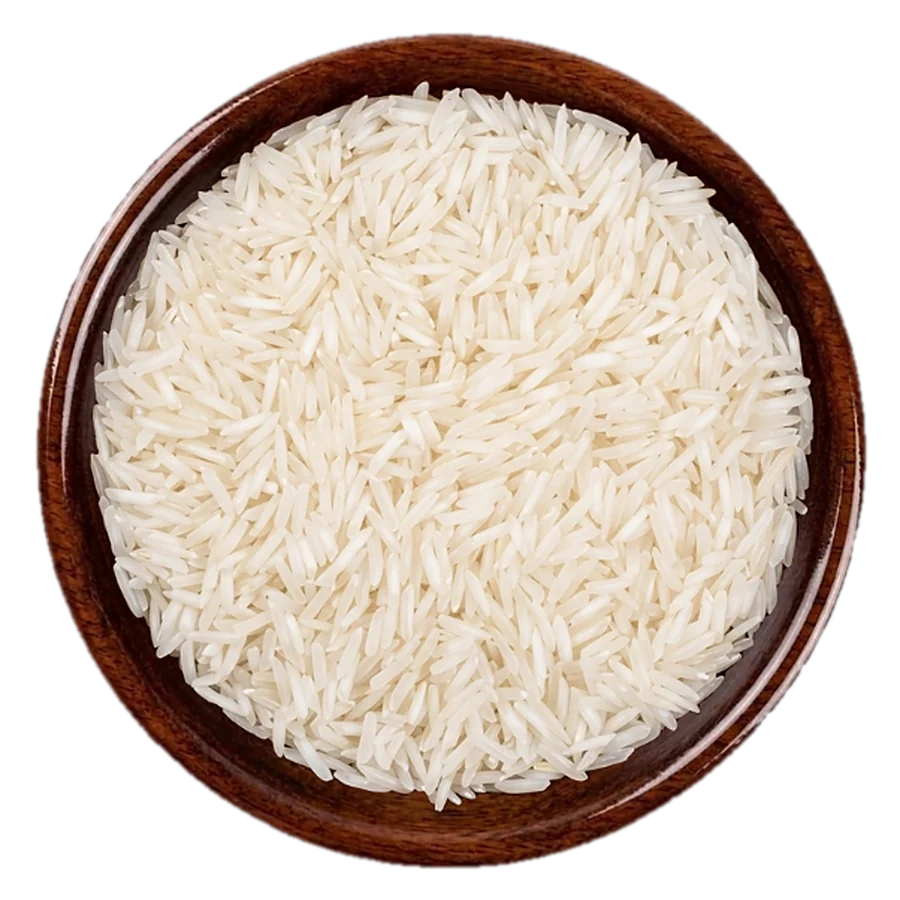
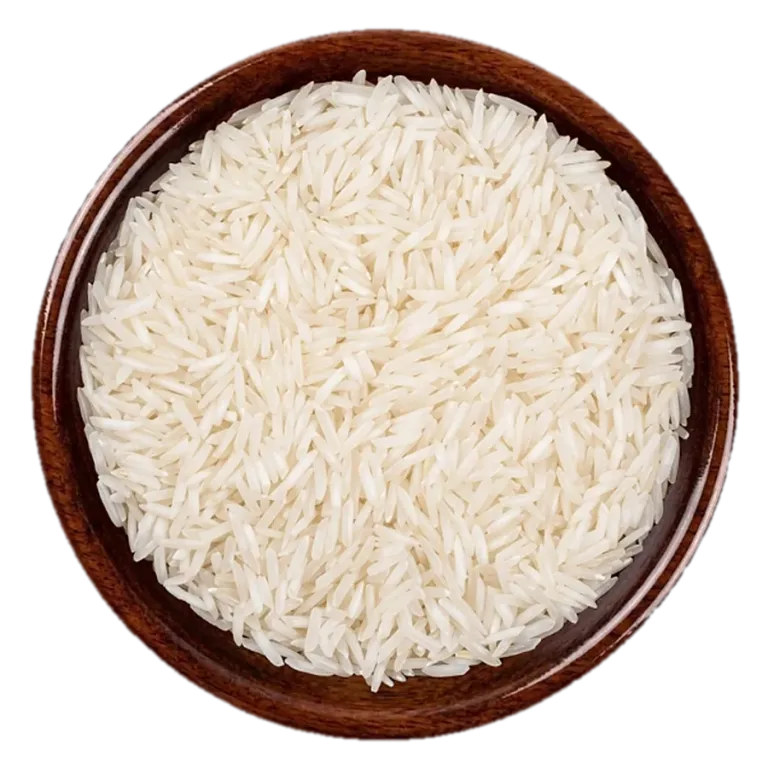
  1. 1121 Basmati white Rice in a wooden bowl, seen from above011121 BasmatiWhite, steam, creamy and Golden Sella
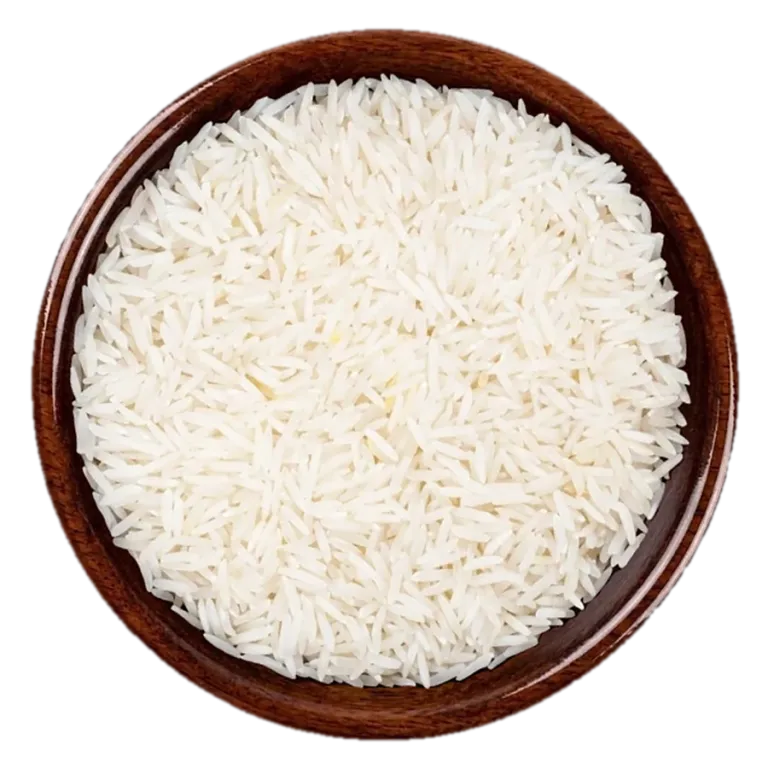
  2. Super Kernel Basmati white Rice in a wooden bowl, seen from above02Super Kernel BasmatiBrown, white and Sella
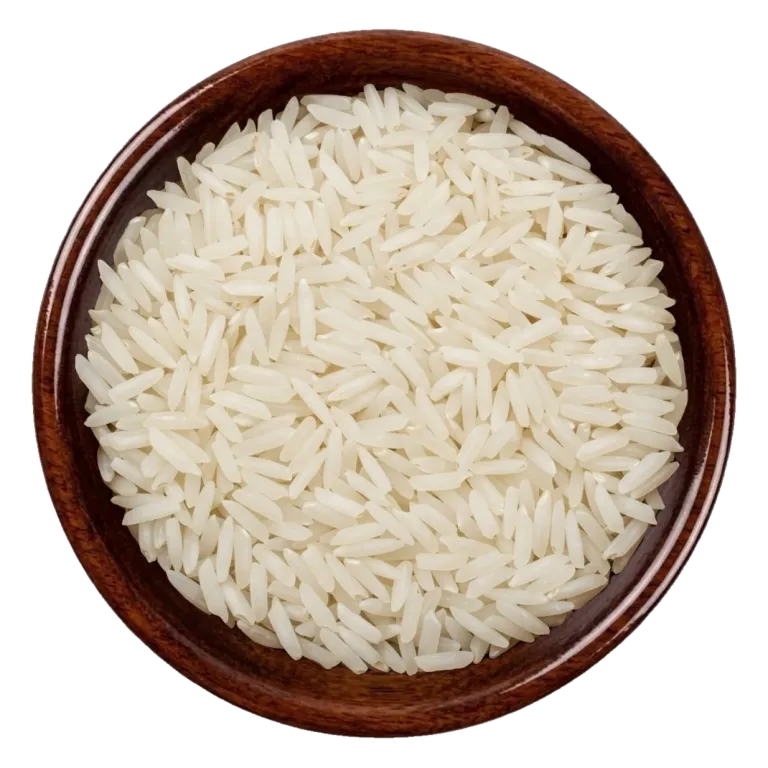
  3. D-98 Basmati white Rice in a dark wooden bowl03D-98 BasmatiWhite
Varieties1121, Super Kernel, D-98
FormsWhite, steam, Sella, Golden Sella, brown
Packs1 kg to 50 kg, private label
Ageing4 to 6 months minimum
What makes it Basmati

What a Basmati Rice exporter is really selling: soil, climate and elongation.

Pakistan is known for the finest aromatic Basmati, and three names carry most of that reputation: 1121, Super Kernel and Basmati 385, sold as D-98. What they share is elongation, a natural nutty and floral fragrance, and a grain that stays separate rather than clumping. That is the Basmati Rice buyers ask for by name.

The fragrance is not added and cannot be milled in. It comes from the soil and the climate of the Punjab region, which is what lets the aroma compounds build in the grain. Milling then decides how much of it survives, which is where colour sorting and silky polishing earn their place.

Grain length, admixture and moisture are all defined terms in the Rice standard published by the Codex Alimentarius, which is the reference most import contracts are written against.

Natural aromaHigh elongationNon stickyAged before milling
1121 Basmati white Rice in a wooden bowl, seen from above
1121 Basmati, White
Basmati · 1 of 3

1121 Basmati

The grain nearly doubles in length in the pot and still comes out separate. This is the Basmati behind biryani, kabsa and mandi across the Middle East.

Forms
White, Steam, Creamy Sella, Golden Sella
Grain class
Extra-long Basmati
Pack sizes
1, 2, 5, 10, 20, 25, 35, 38, 40 and 50 kg

Key figures, White

Average grain length
8.30 mm
Cooked grain length
18 to 22 mm
Moisture
12.0% max
Broken
2.0% max
Purity
95.0% min
Aroma
Present, high

Figures for the first form. Every form has its own table on the variety page.
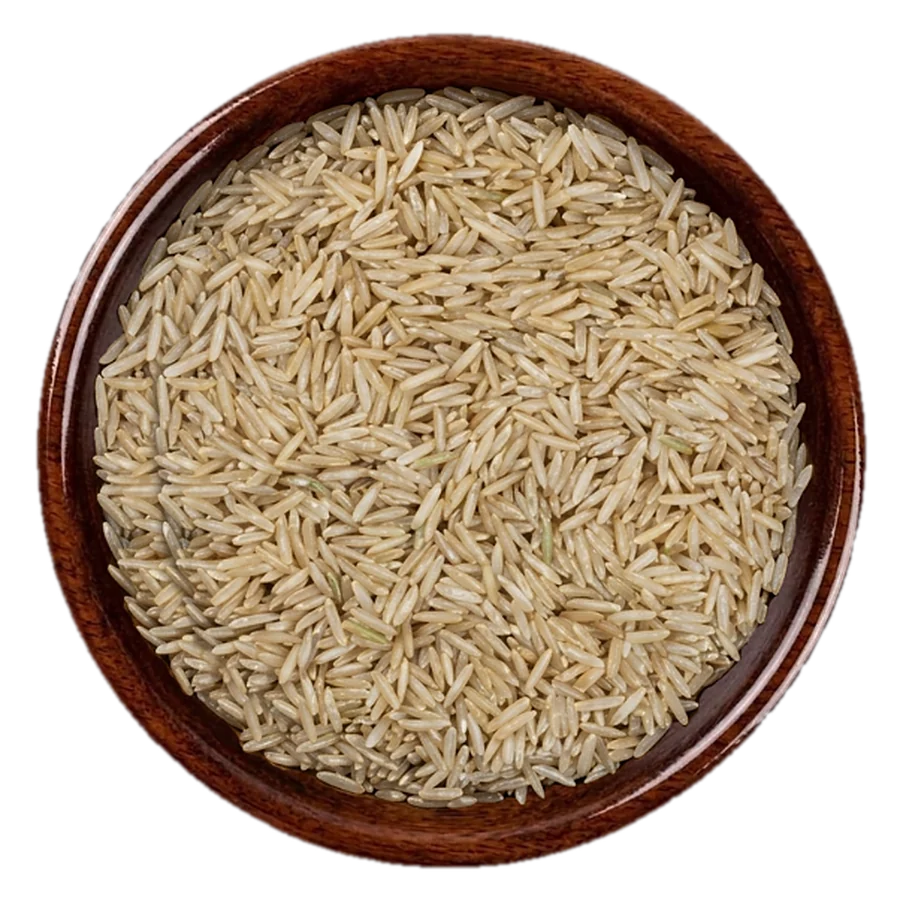
Super Kernel Basmati brown Rice in a wooden bowl, seen from above
Super Kernel Basmati, Brown
Basmati · 2 of 3

Super Kernel Basmati

Growers call it the king of Rice. Extra long kernels, the strongest traditional fragrance in our range, and a cooked grain that stays fluffy and separate.

Forms
Brown, White, Sella
Grain class
Long Basmati
Pack sizes
1, 2, 5, 10, 20, 25, 35, 38, 40 and 50 kg

Key figures, Brown

Average grain length
7.20 to 7.40 mm
Moisture
12.0 to 13.0% max
Broken
2.0% max
Purity
93.0% min
Aroma
Present, high

Figures for the first form. Every form has its own table on the variety page.
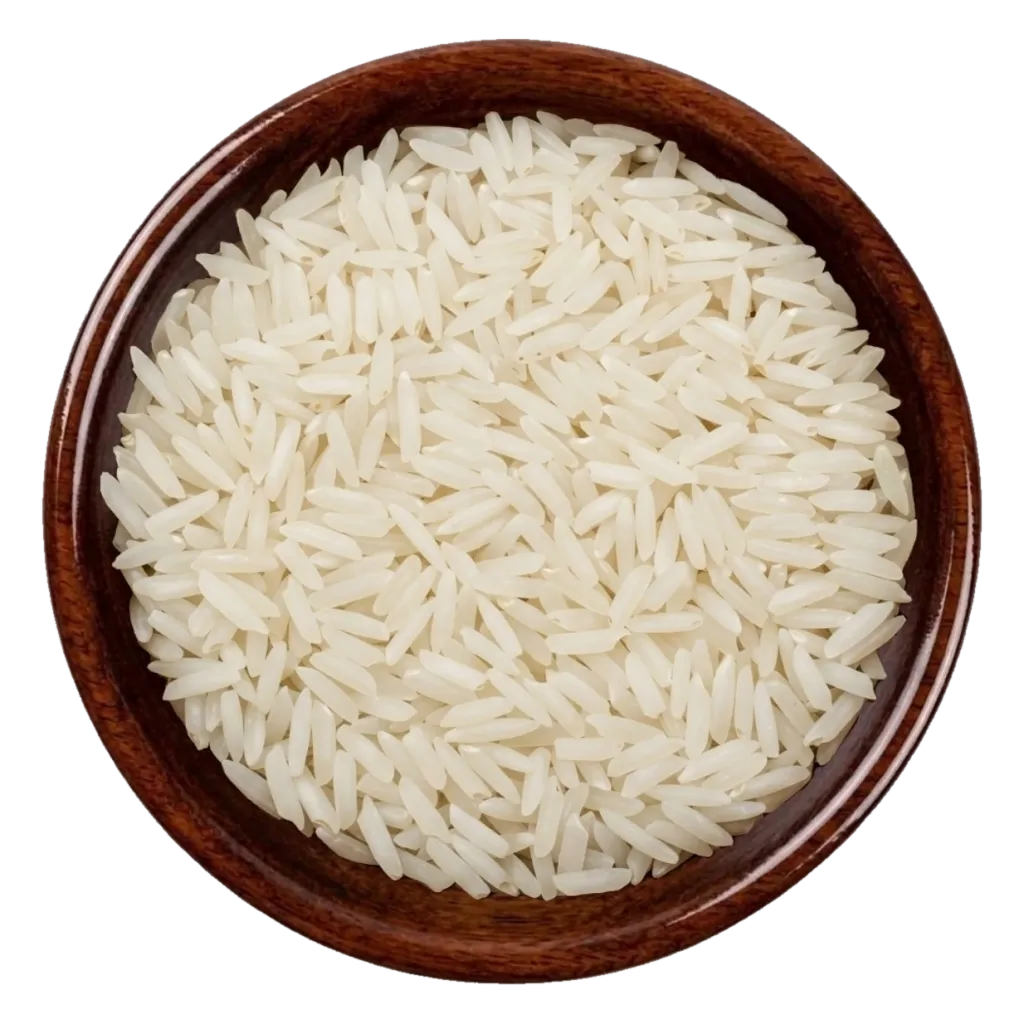
D-98 Basmati white Rice in a dark wooden bowl
D-98 Basmati (PK-385), White
Basmati · 3 of 3

D-98 Basmati (PK-385)

An early maturing Basmati from Sindh with long pearl white grain and a quieter, more delicate aroma than Punjab Basmati.

Forms
White
Grain class
Long Basmati
Pack sizes
1, 2, 5, 10, 20, 25, 35, 38, 40 and 50 kg

Key figures, White

Average grain length
6.80 mm min
Cooked grain length
Over 8.2 mm
Moisture
13.0% max
Broken
2.0% max
Purity
93.0% min
Aroma
Present, high

Figures for the first form. Every form has its own table on the variety page.
Side by side

Which Basmati fits your market.

VarietyRaw grain lengthCharacterUsual buyer
1121 Basmati8.30 to 8.35 mmHighest elongation, moderate to strong aromaBiryani, kabsa and mandi kitchens, GCC retail
Super Kernel Basmati7.20 to 7.40 mmStrongest aroma, fluffy and separatePremium retail, hotels and catering
D-98 (PK-385)Confirmed per lotPearl white, light natural aromaHouseholds buying Basmati on price

Indicative figures. Contract specifications state exact minimums and grades per lot, confirmed on the laboratory report.

Choosing

How buyers pick between them.

Three questions settle most Basmati decisions, and none of them is which variety is best.

01

What is the dish?

Rice served as the centre of a platter needs elongation, so 1121 wins. Rice served alongside a curry needs aroma and a fluffy grain, which is Super Kernel. Everyday household Rice is where D-98 and D-98 earns its place.

02

What is the shelf price?

Basmati spans a wide price band. If the target retail price will not carry 1121, say so at the enquiry and we will quote the variety that fits rather than the one that pays us most.

03

How will it be held?

Rice that sits on a service line or moves slowly through a warehouse does better parboiled. Sella and Golden Sella hold their shape and their colour where white Rice would soften.

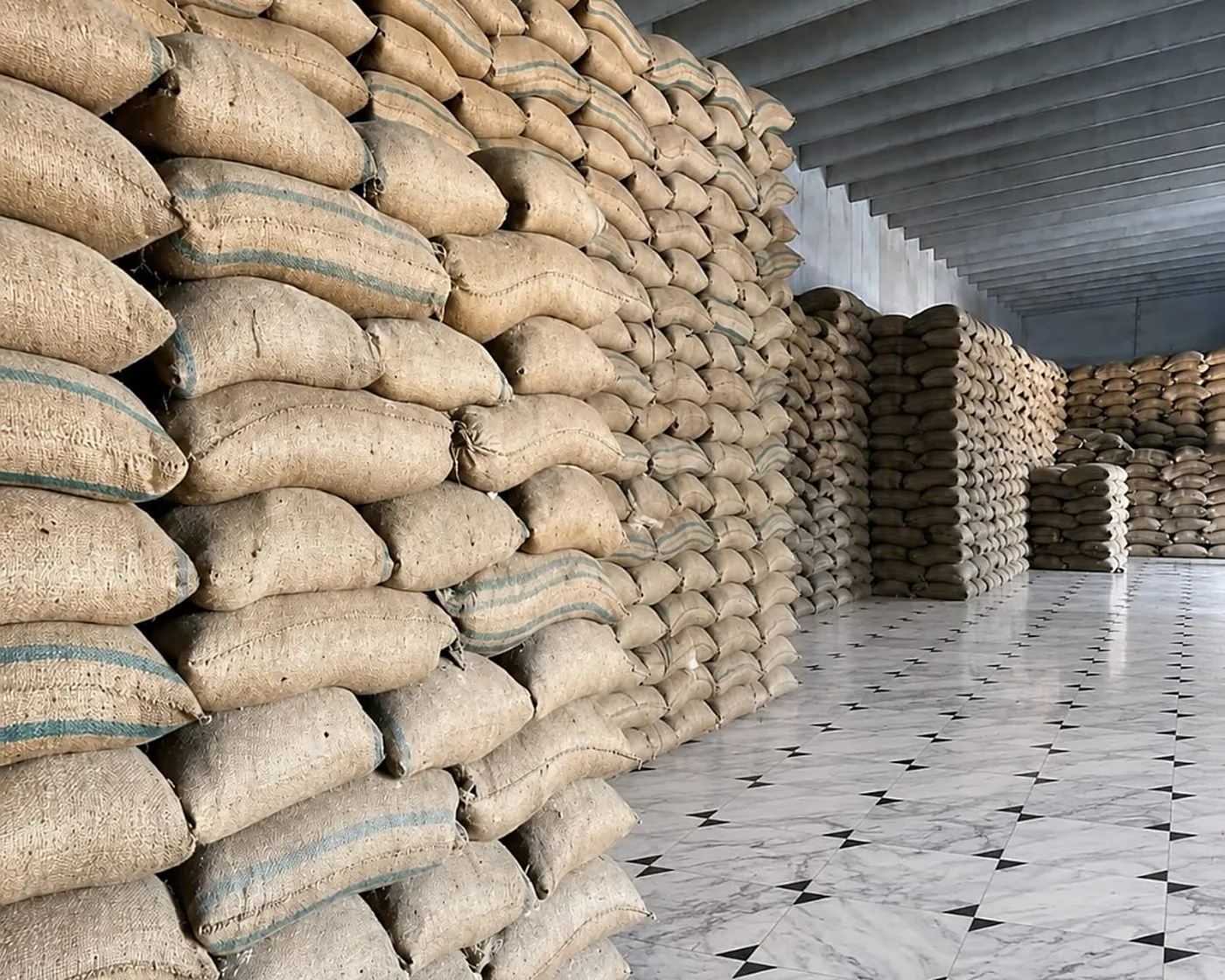
Rows of stacked jute bags in a Green International Rice storage hall
Ageing

Basmati is not finished at harvest.

Fresh Basmati cooks sticky. Time in controlled storage lets moisture equalise and the grain firm up, so it elongates instead of breaking.

Paddy is held in temperature and humidity controlled silos and aged before milling. Export grade Basmati is aged a minimum of four to six months, and longer for the varieties that reward it. The result is firmer texture, better separation and a stronger aroma in the pot.
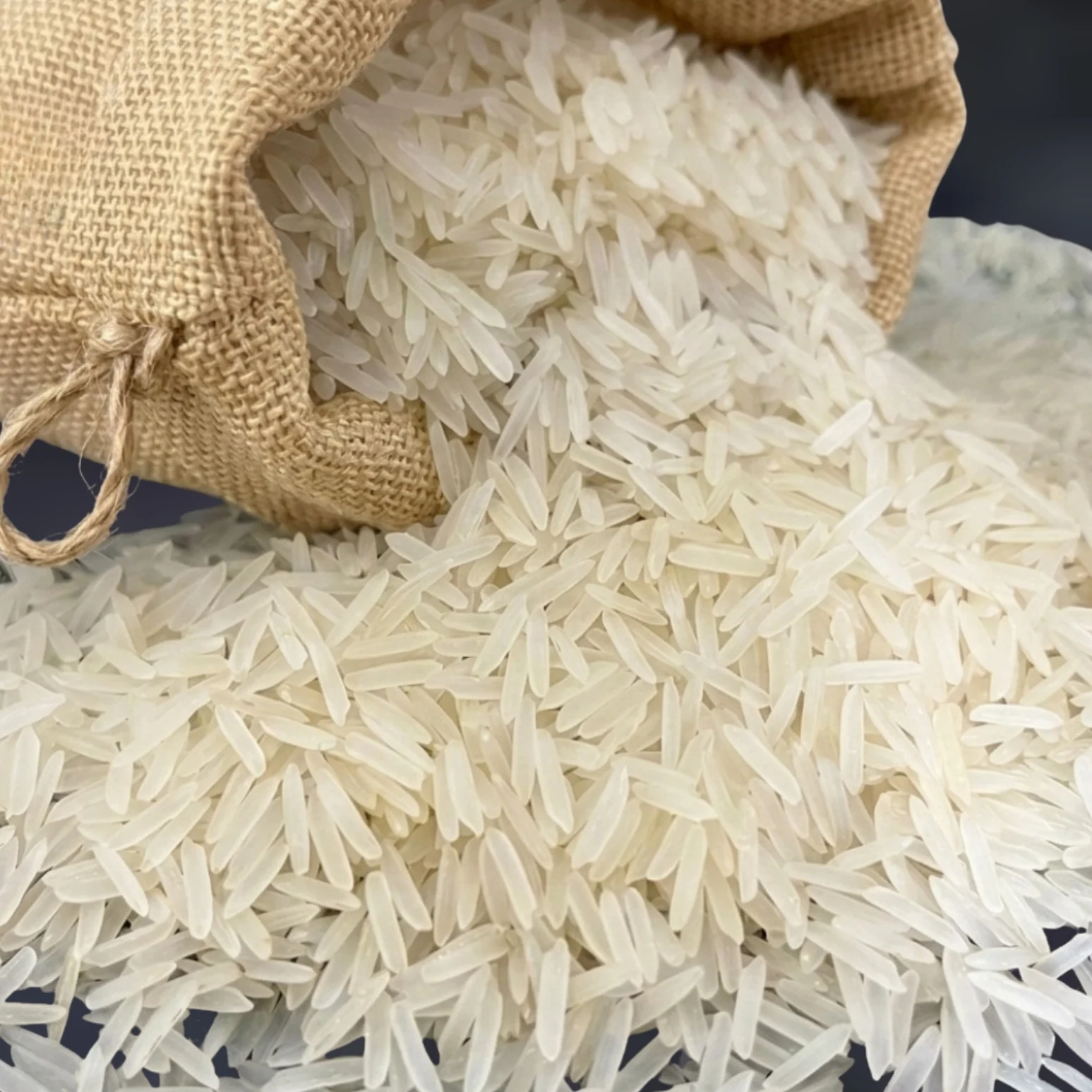
Long, slender Basmati Rice grains spilling from a jute sack
The grain

Long, slender and unbroken in the bag.

Length grading and colour sorting run on every Basmati lot, so what pours out of the bag is what the specification promised.