What export quality Basmati means on a specification: purity, aroma, length, texture, ageing, moisture, residues, heavy metals and packaging, with the figure a buyer should expect against each one.

The definitions below follow the Rice standard published by the Codex Alimentarius, which is what most import contracts point to.
Most disputes in Rice are not about bad grain. They are about two parties meaning different things by the same word. Chalky, admixture, broken, aged: each has a working definition in the trade, and each one is measurable.
What follows is how we read the eleven parameters that decide whether a lot is export quality. If your specification differs, tell us before the contract rather than after the container sails.
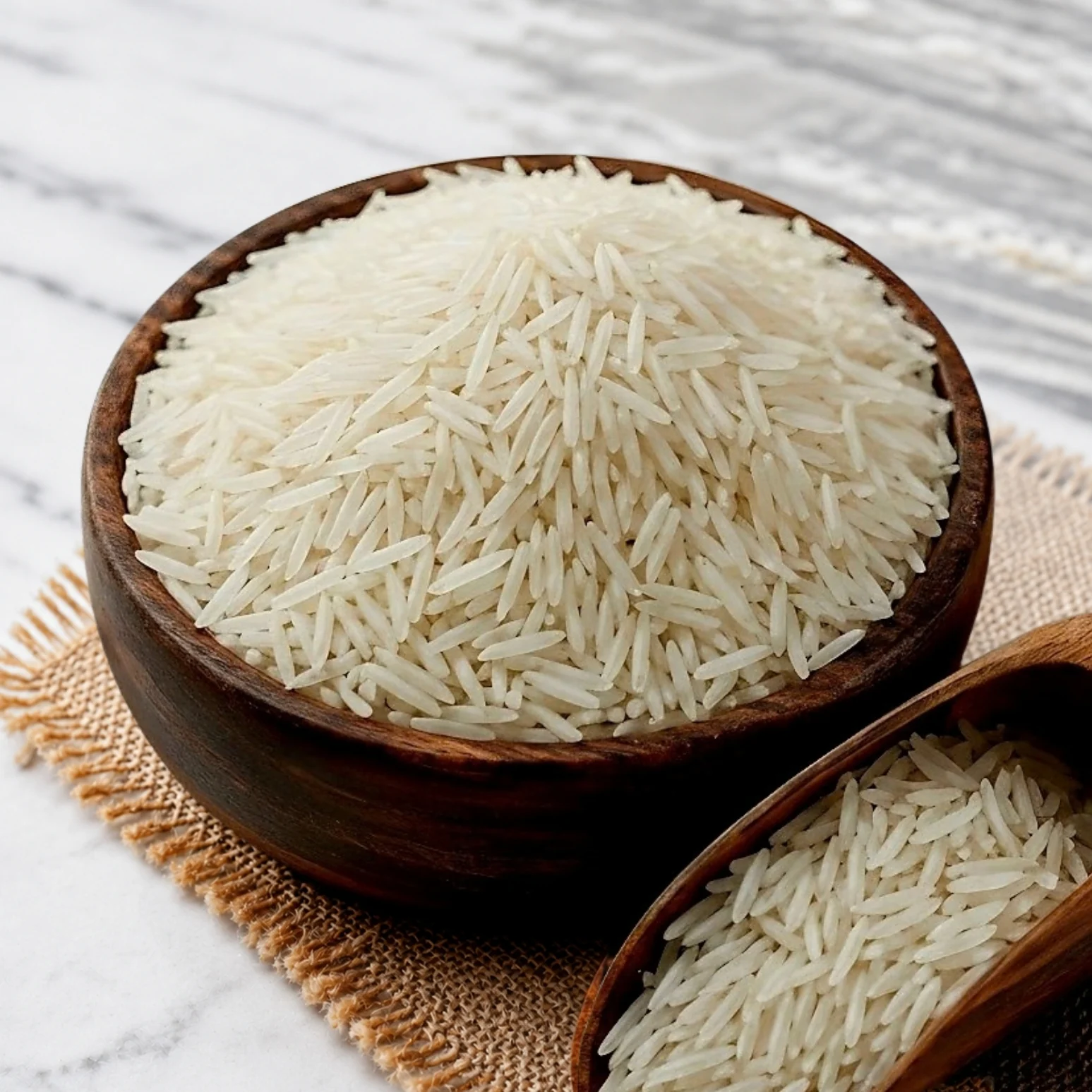
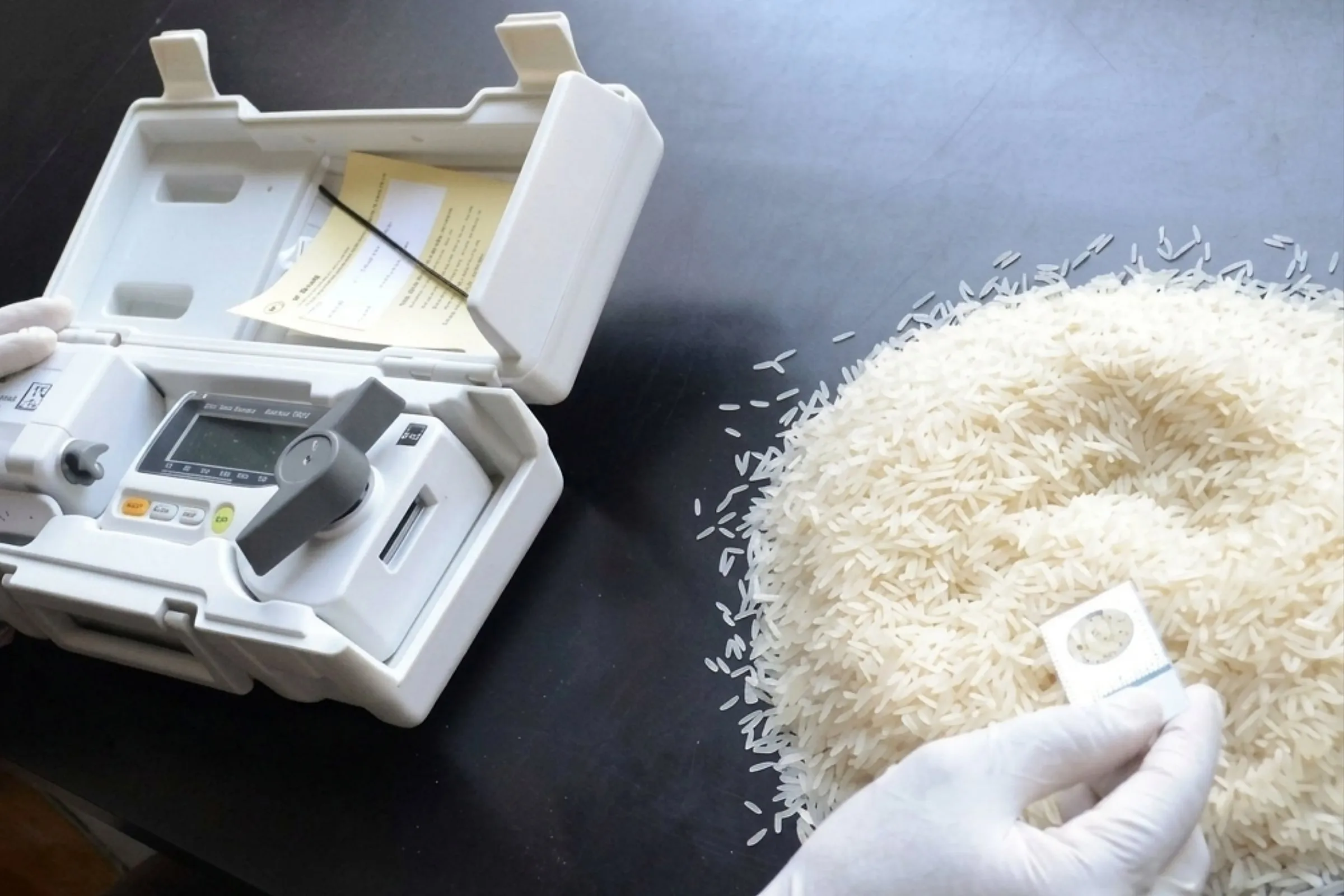
Every batch is cleaned, sorted and inspected for uniformity and freedom from contaminants. Broken and fragmented grain is held to the contract, ideally none unless a buyer asks for a broken percentage. Damaged, discoloured and black grains count against the lot.
A chalky grain is one where at least half the surface is milky white and brittle. Green grains are immature. Under milled grain still carries bran streaks, and red grains carry red bran over a quarter of the surface or more. All four are counted separately.
National standards limit how much of another variety may sit in an export lot. Some natural admixture happens in the field and is beyond anyone's control, which is why the limit is a percentage rather than zero.
The signature of Basmati, a nutty and floral scent carried mainly by the compound 2-acetyl-1-pyrroline. It is judged by trained smell against a reference sample, before and after cooking.
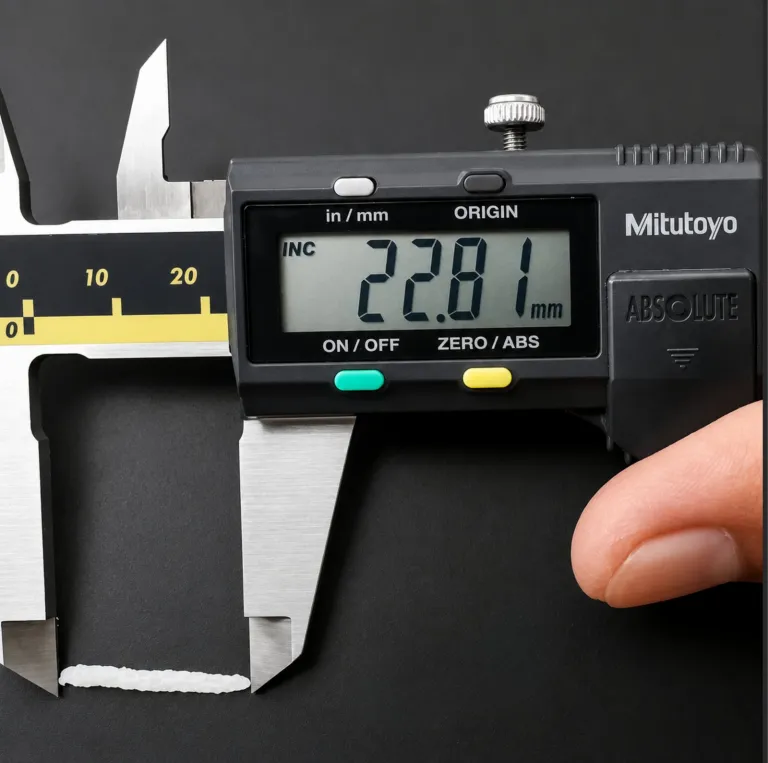
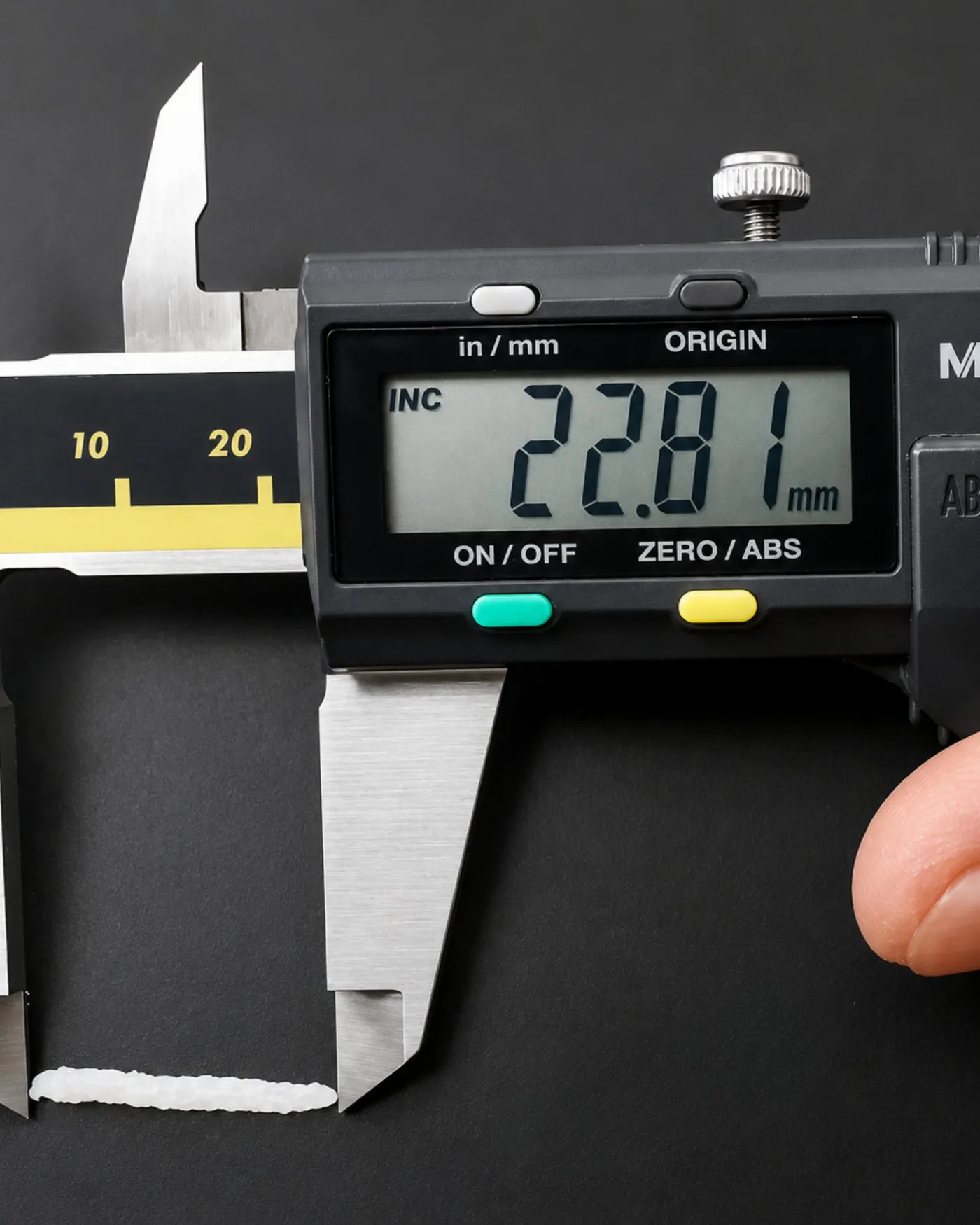
1121 Basmati runs 8.30 to 8.35 mm uncooked and Super Kernel 7.20 to 7.40 mm. Cooked, Basmati should expand far more in length than in width, at a ratio of at least 3 to 5, and the grains should stay separate.
Export grade Basmati cooks tender but keeps a slight bite. Rice that collapses has usually been milled too hard, cooked from too fresh a crop, or held at the wrong moisture.
Export grade Basmati is aged at least four to six months before milling. Ageing lowers stickiness, deepens flavour and improves elongation. It is the least visible parameter on this page and one of the most decisive.
Moisture is not to exceed 12 percent by weight for export grade Basmati. Above that, storage life shortens and mould risk rises. Below it, breakage during milling increases.
Every export lot is tested against the residue limits of the destination, and against tighter buyer specifications where a contract sets them. Residue reports are issued by accredited laboratories.
Lead and arsenic are environmental contaminants rather than farming inputs. Export grade Rice is held to limits of 0.2 mg per kg for lead and 1.1 mg per kg for arsenic.
Uric acid indicates insect activity in storage and is held below 100 mg per kg. Aflatoxin is a mould toxin and is held to 30 micrograms per kg or less, which is what controlled drying and silo storage are for.

| Parameter | Export grade figure |
|---|---|
| Moisture | 12% maximum by weight |
| 1121 Basmati grain length | 8.30 to 8.35 mm uncooked |
| Super Kernel grain length | 7.20 to 7.40 mm uncooked |
| Cooked elongation | Length to width ratio of 3:5 minimum |
| Ageing before milling | 4 to 6 months minimum |
| Lead | 0.2 mg per kg maximum |
| Arsenic | 1.1 mg per kg maximum |
| Uric acid | Below 100 mg per kg, detection limit 10 mg per kg |
| Aflatoxin | 30 micrograms per kg maximum, detection limit 1.7 ug per kg |
| Packaging | Clean, dry, sound containers in jute, PP, cotton, BOPP, LDPE, card or jar |
Figures follow the standards our export contracts are written against. Exact contract minimums are confirmed on the laboratory report for each lot.
We test every lot for export quality in house. Where your contract calls for it, SGS, Cotecna, BVQI or Eurofins verify quality, weight and quantity before the container is closed.