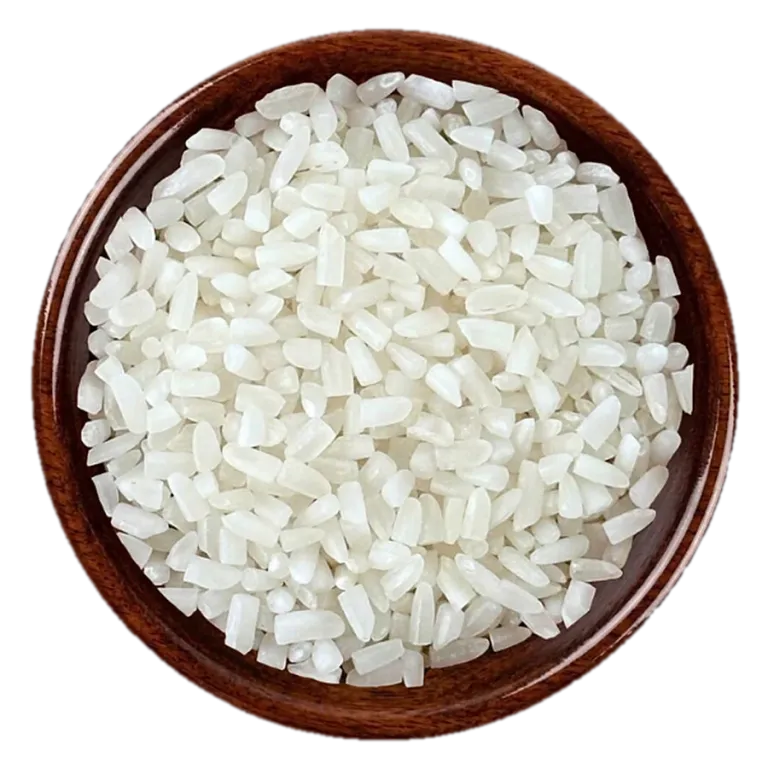
100% broken Rice, graded not swept.
100% broken IRRI-6
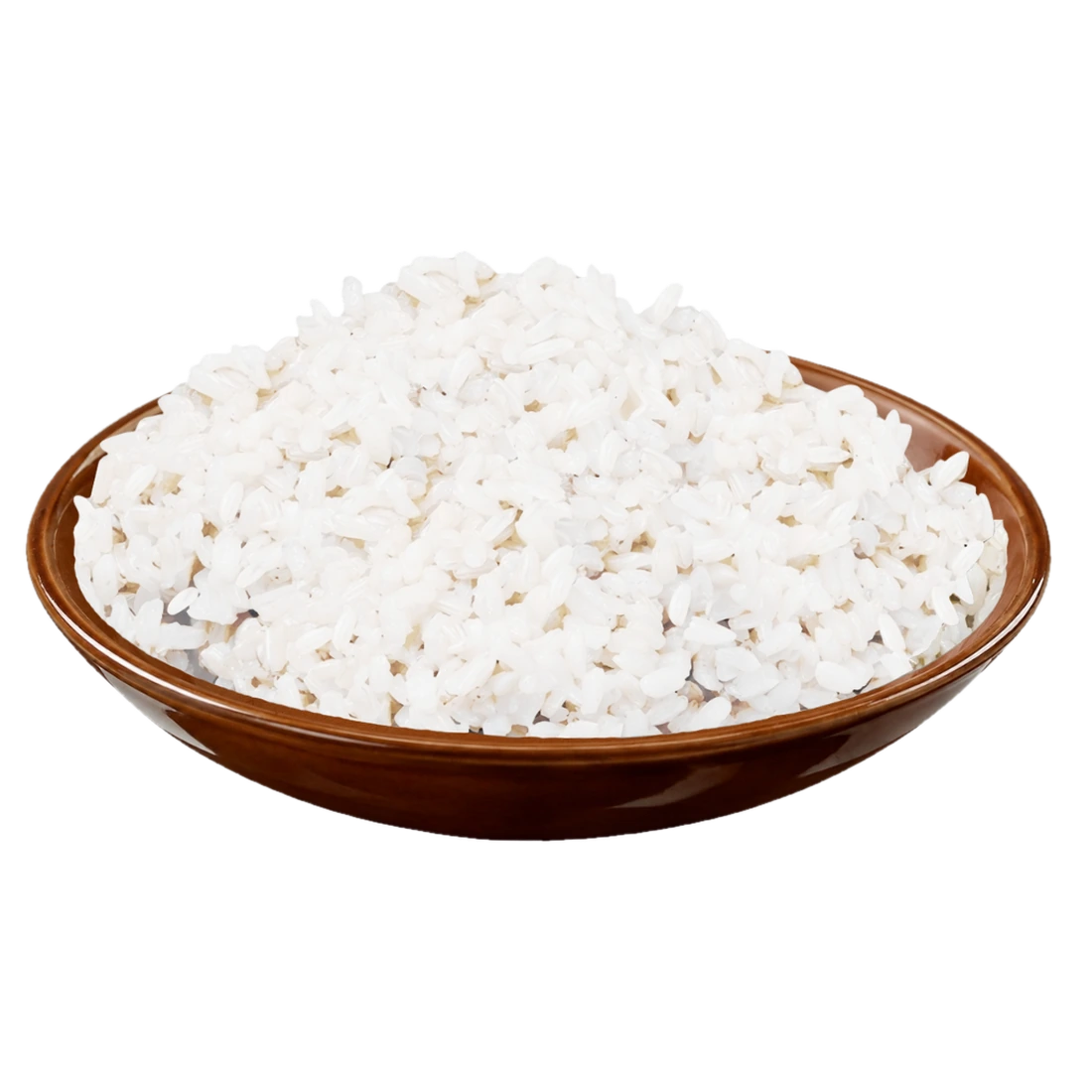
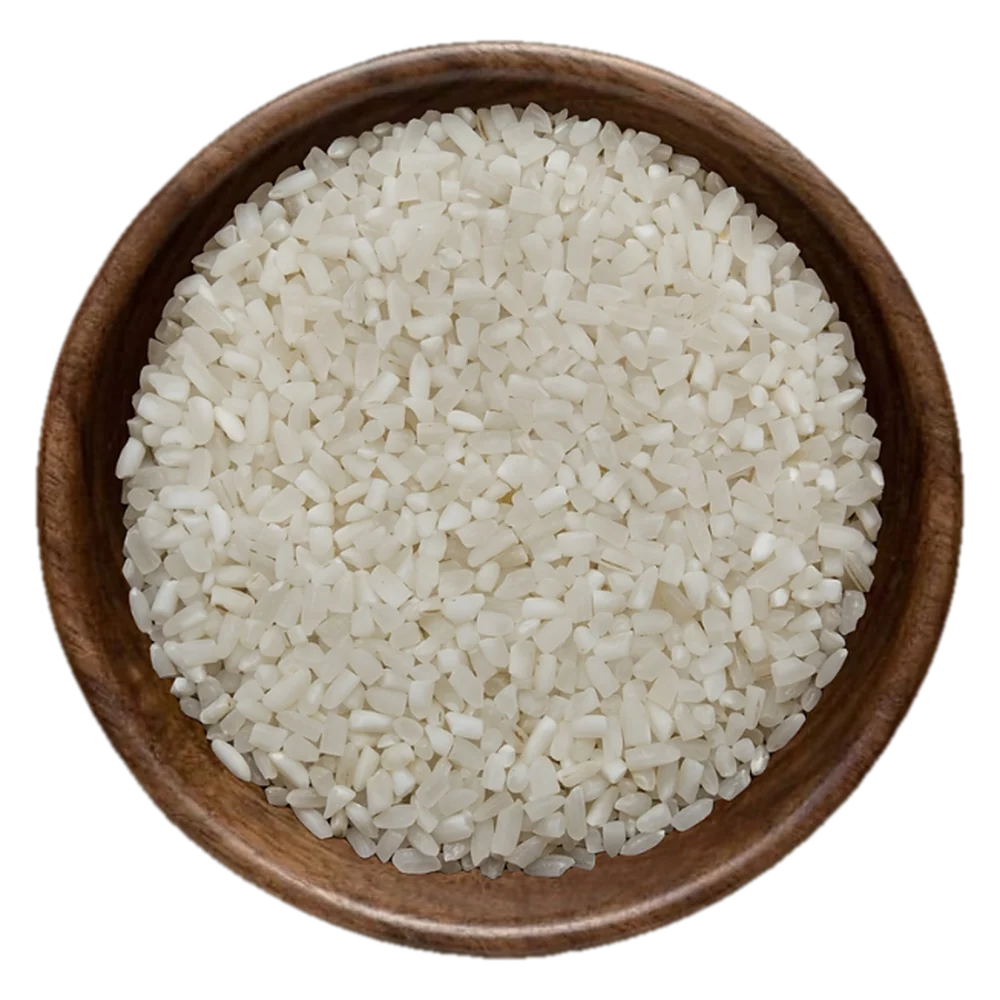
Broken IRRI-6 kernels, separated from the whole grain on the length graders during milling and all under 4.5 mm. For whole grain IRRI-6 at 5 to 25 percent broken, see the IRRI-6 page.
From our specification sheet. The laboratory report for your lot confirms the final figures before loading.
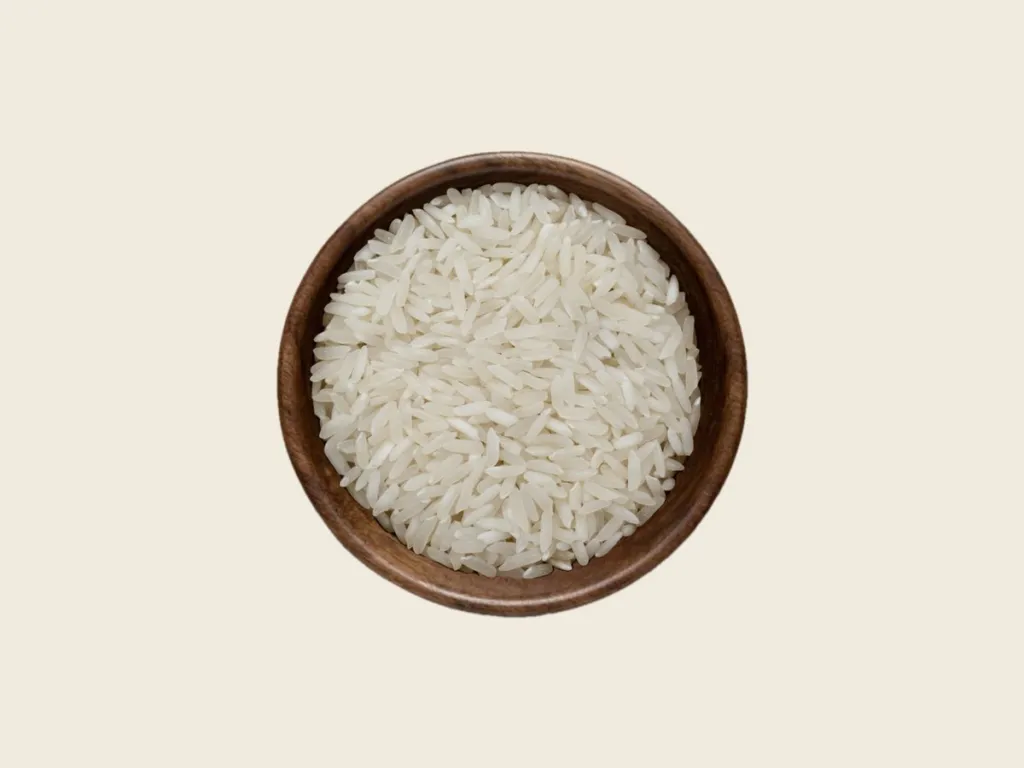
Same grain, same nutrition, sold as a product in its own right.
Broken Rice is not waste. Every mill produces it, and the difference between a good supply and a poor one is whether the fragments were graded to a stated size or simply swept together. Ours comes off the length grader as a defined product, cleaned and colour sorted like any other line.
It cooks soft and quickly and keeps the same nutrition and taste as whole IRRI-6, which is why it is a household staple in parts of West Africa, and its low cost suits institutional catering, food processing and industrial use.
What separates a good broken Rice from a poor one is grading. Ours is separated on the length grader during the milling of IRRI-6, then cleaned and colour sorted like any other line, so the fragments are a stated size rather than whatever was swept together.
Broken Rice ships in woven polypropylene bulk bags from 30 to 50 kg, with consumer packs where a retailer sells it as a household staple. Fragment size and any whole grain tolerance are written into the contract.
West Africa, the Middle East, parts of Europe and South East Asia.
We export under licence as a member of the Rice Exporters Association of Pakistan, the trade body that registers Rice exporters in the country.
If your question is not here, send it with your requirement and we will answer it in the quotation.
No. It is the same grain, with the same nutrition and taste, separated by size on the length grader and cleaned and colour sorted like any other line.
It is cooked as a household staple in parts of West Africa and the Middle East, and used in institutional catering, food processing and industry, where its low cost and soft texture suit the purpose.
Non-BasmatiGrown mainly in Sindh, IRRI-6 is the variety that fills containers. Long, soft grains, dependable supply and a price that works at volume.
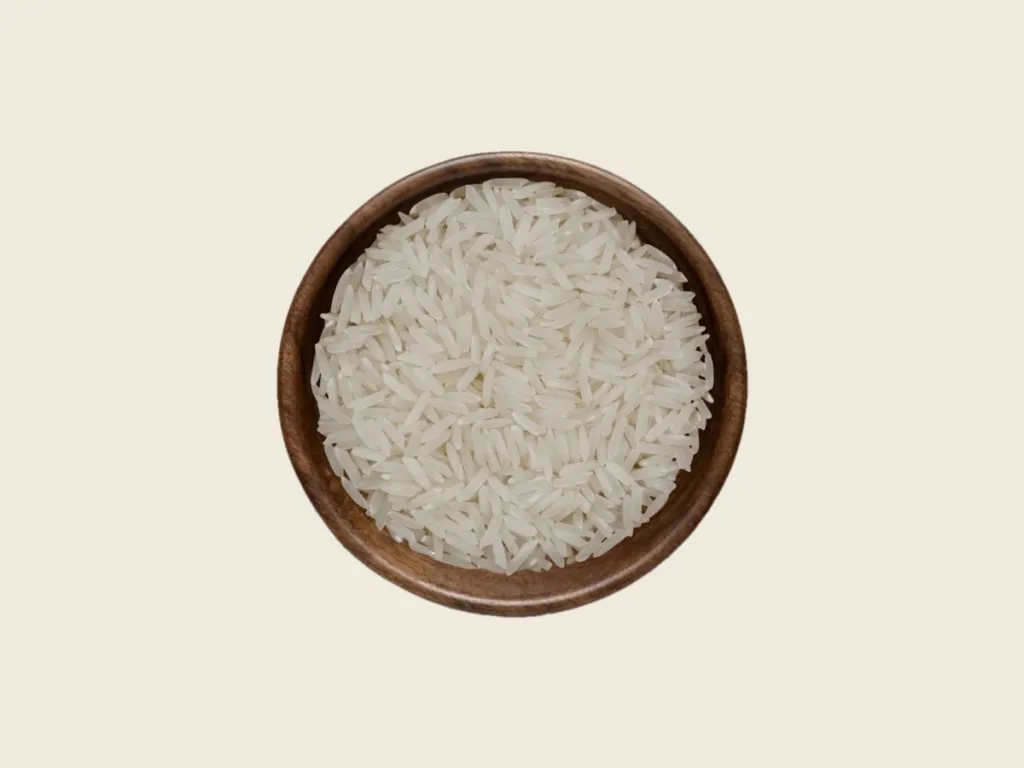
Non-BasmatiC-9 Rice, sold in some markets as IRRI-9. Long, narrow, opaque grains from Sindh and southern Punjab that stay whole in the pot and cook fluffy and separate.
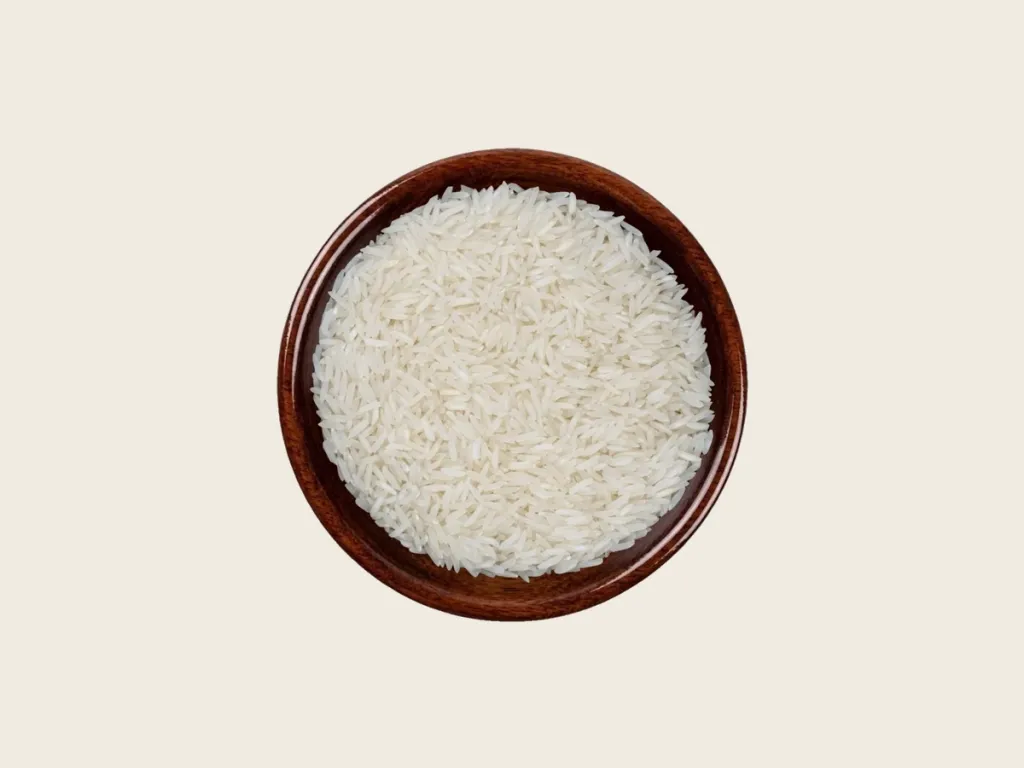
Non-BasmatiBuyers call it the Basmati look alike. A long grain of 6.8 mm or more with a soft natural flavour, grown only in the traditional Rice districts of Pakistani Punjab.