Our own backward-integrated contract farming system for Basmati and Non-Basmati paddy, on Punjab's plains, run to the residue and safety limits our export markets demand.
Most exporters buy paddy or milled Rice on the open market and test after the fact. Contract farming gives us control over inputs, timing and handling from sowing to harvest, which is where pesticide residues, aflatoxins and moisture problems are either created or prevented.
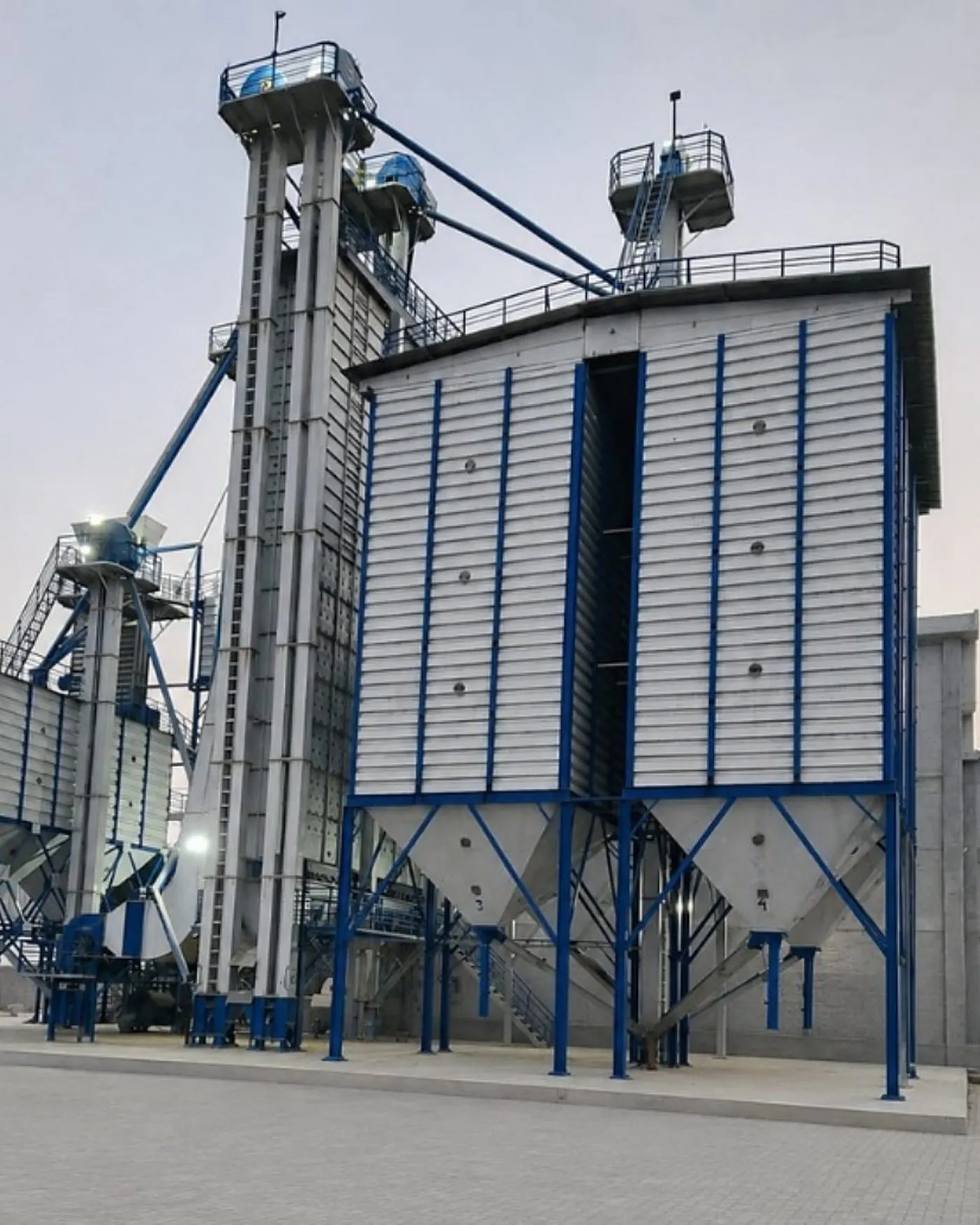
Farmers on the programme grow to our protocols under expert supervision. Paddy arrives at our silos with a field history, and the laboratory confirms residue results before a lot is cleared for markets with strict limits, including EU buyers requiring pesticide-residue-free Rice.
The programme covers more than 100 acres of Punjab plains, from sowing to harvest. Because seed, field practice and harvest timing are agreed with the grower before planting, pesticide and aflatoxin control is part of how the crop is grown, not a test the finished Rice has to survive. That is what lets us offer pesticide residue free Rice alongside conventional lots.
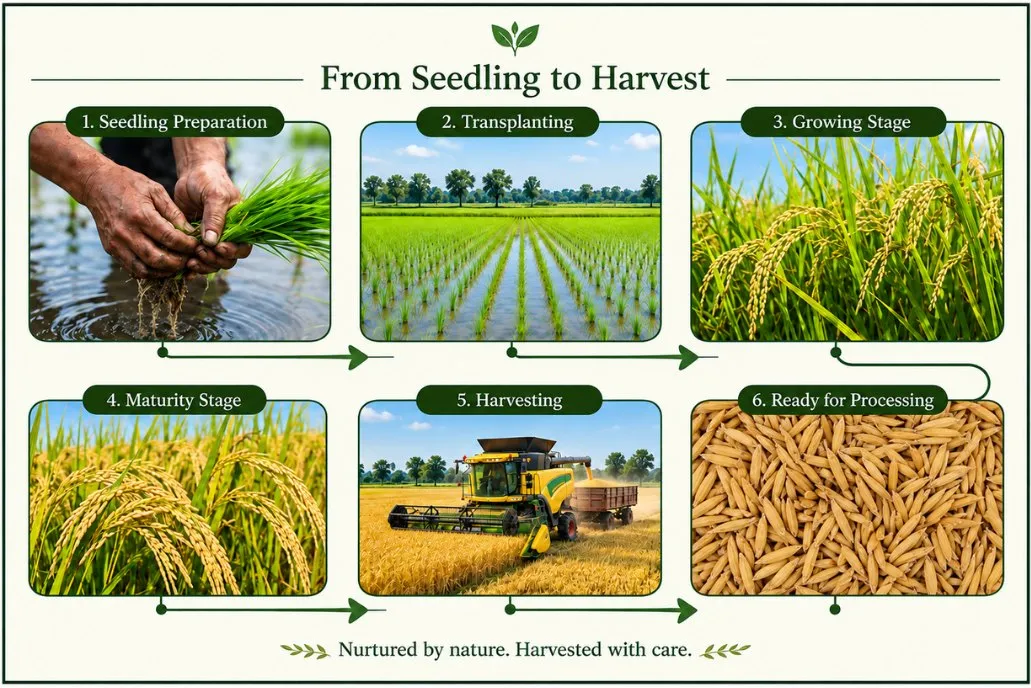
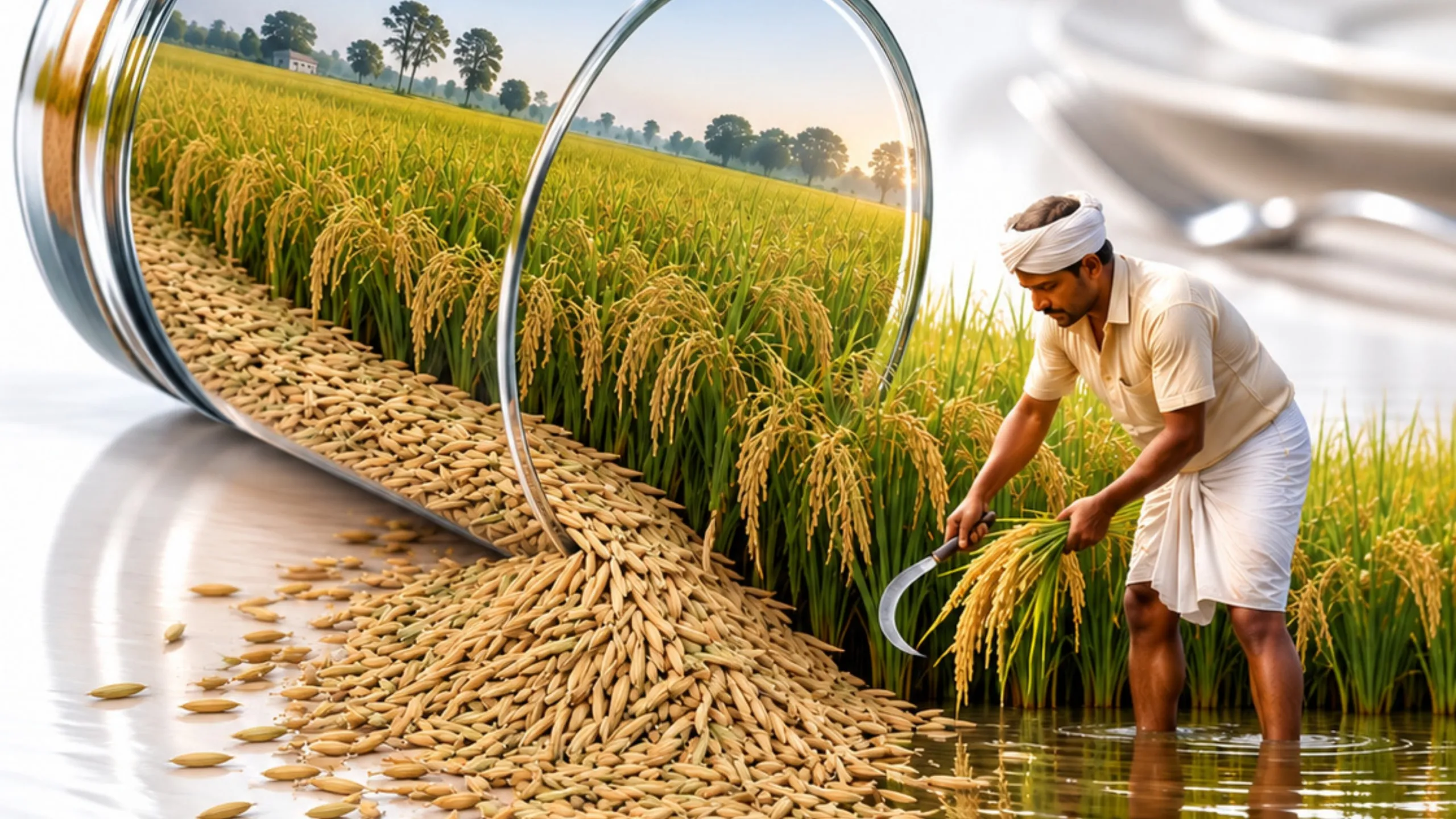
Seedlings are raised and transplanted with the monsoon, the crop runs through its growing and maturity stages, and the paddy is cut and carried straight to our silos.
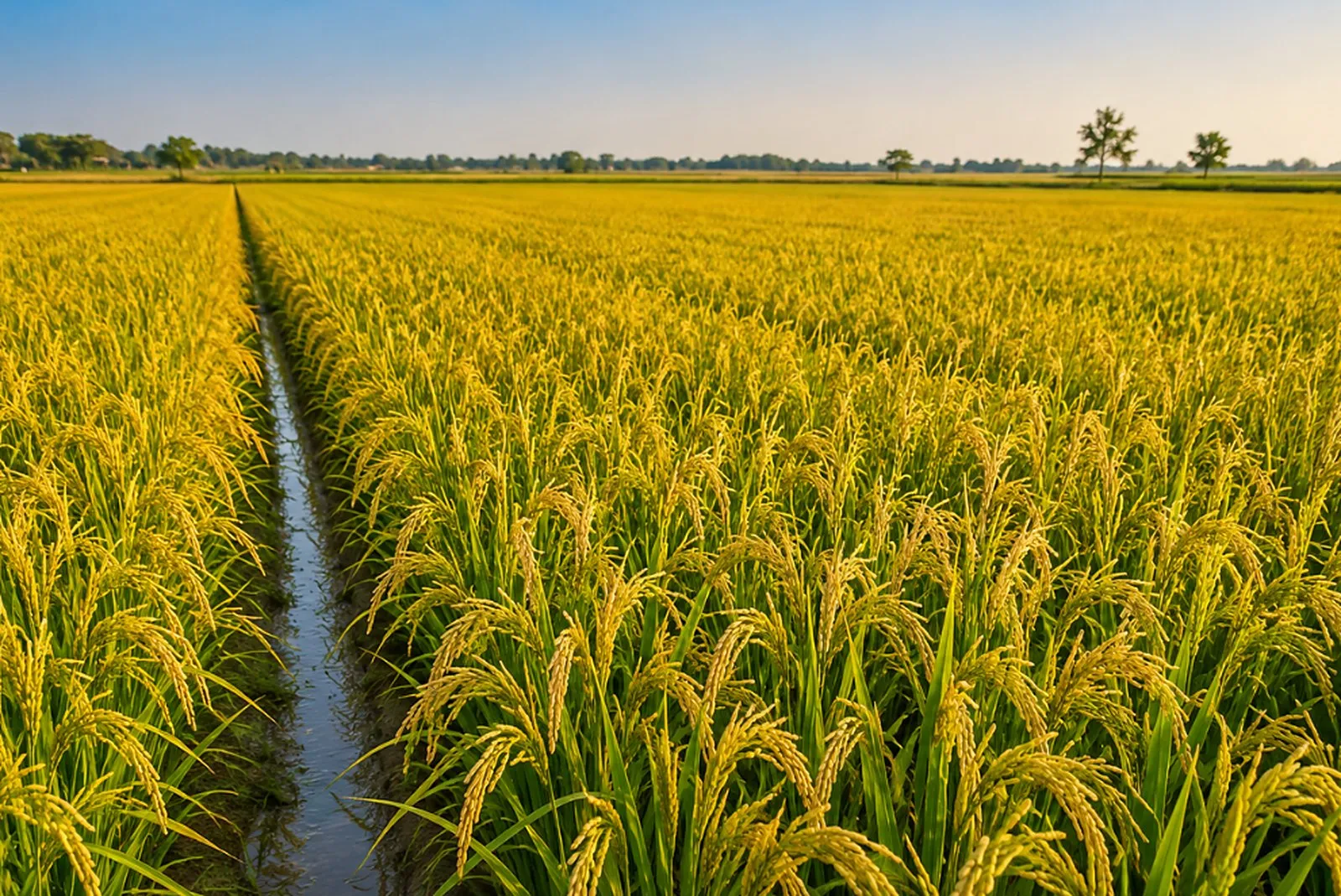
Growers work to the Good Agricultural Practice principles that sit behind every residue programme, and to the crop protection intervals the destination market recognises. See the Codex Alimentarius for the international reference limits those programmes are measured against.
Pesticide limits, aflatoxin risk and varietal purity are all decided in the field. An exporter who buys milled Rice on the open market inherits whatever was done there and can only test for it afterwards. We work the other way round: growers get guidance on land preparation, seed quality and cultivation practice, then the crop is monitored through the season.
That is what makes a residue free programme possible at all, and it is why varietal purity is managed in the field rather than left to whatever admixture a bought lot happens to carry.
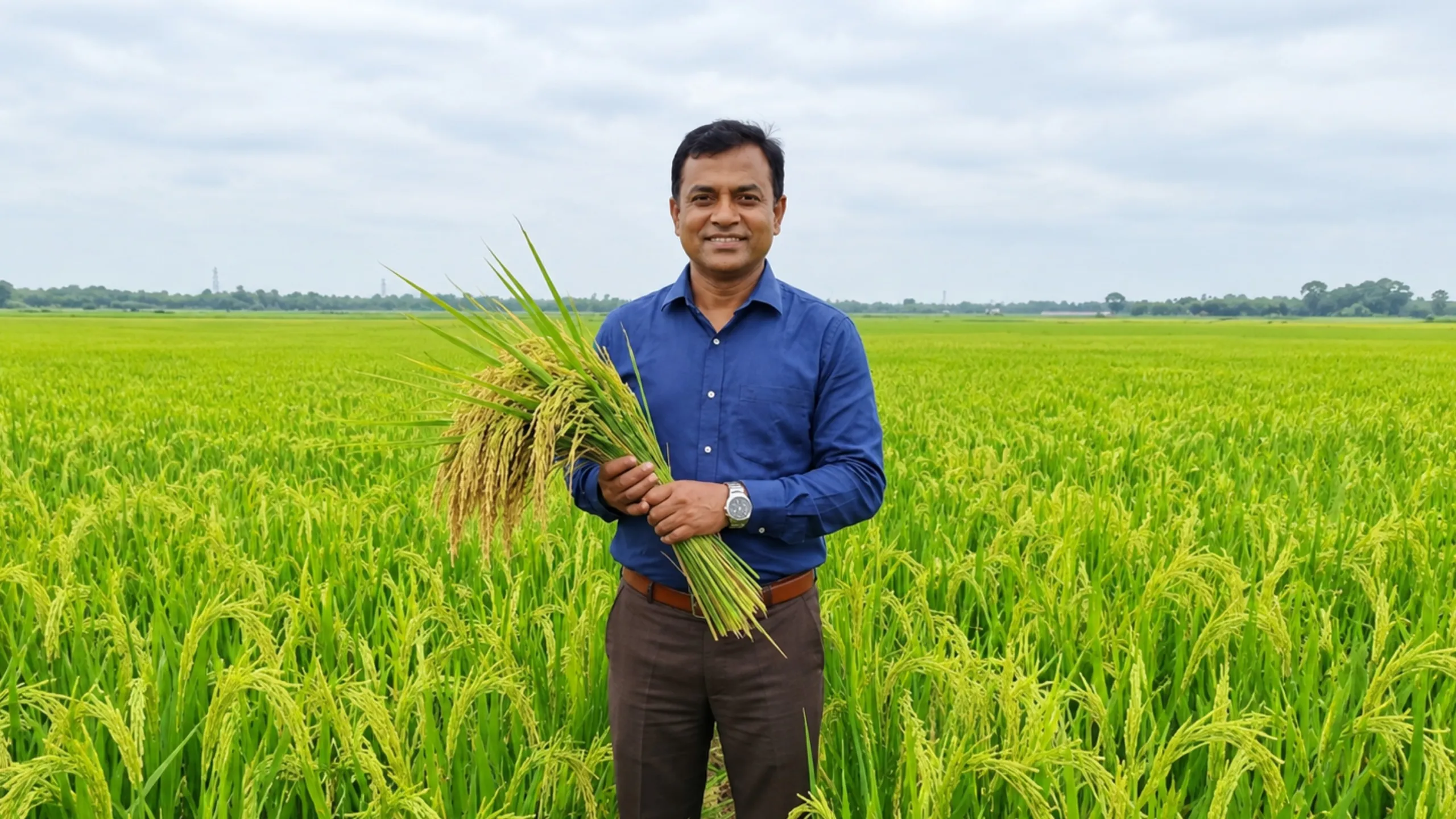
Contract farming only works when growers benefit from it. Our programme gives farmers an assured buyer, agronomic guidance and a fair reference price for paddy that meets specification, season after season.
We are deeply embedded in the communities we buy from and hold ourselves to responsible business practice with the people at the start of our supply chain.
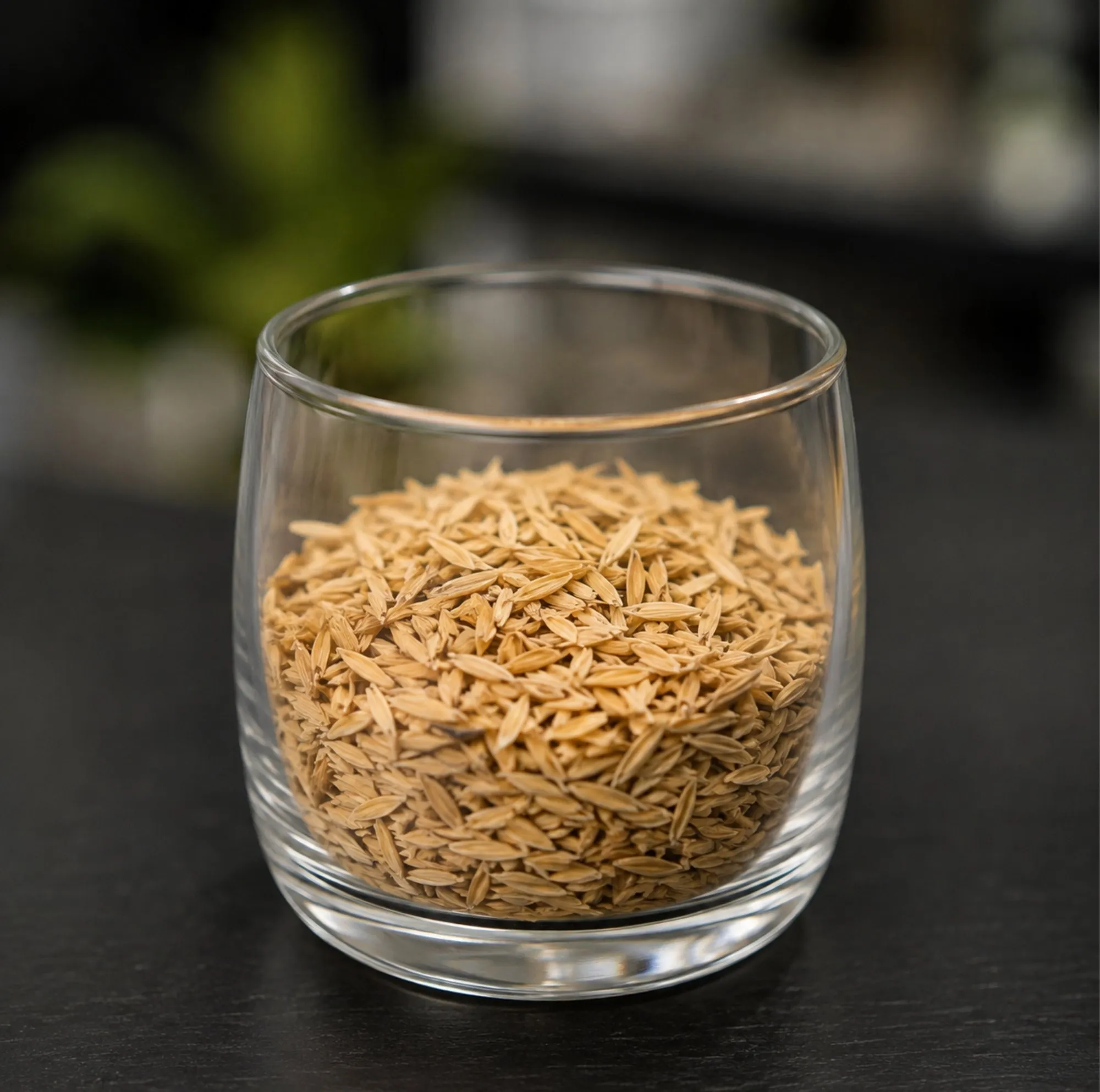
Paddy is judged on grain quality, yield and pest resistance before a single bag is accepted into our silos.