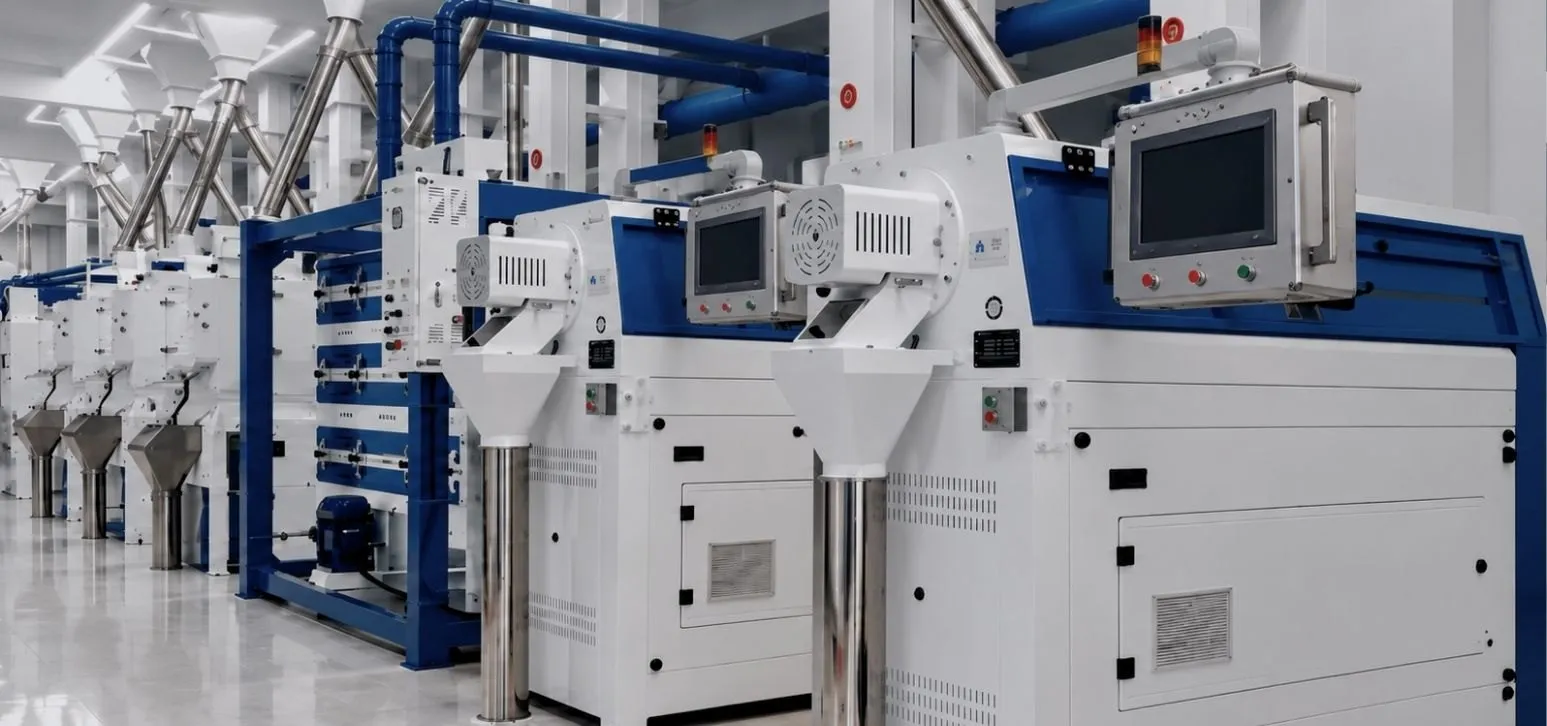
The parboiled rice production process comprises two primary stages: rice parboiling and rice milling.
| Specification | Detail |
|---|---|
| Unit | Unit 1 |
| Location | Warburton, District Nankana Sahib, Punjab |
| Processes | Parboiled Rice, Sella and Golden Sella |
| Soaking | 55 to 70 degrees Celsius, 3.5 to 4.5 hours |
| Dried to | 14 percent moisture or less |
| Pack sizes | 1 to 50 kg |
The comprehensive process flow is as follows: Raw Paddy, Pre-Cleaning, Soaking, Steaming and Boiling, Drying, Cooling, Husking, Paddy Separating, Rice Milling, Rice Grading, Rice Polishing, Rice Color Sorting, Rice Packing.
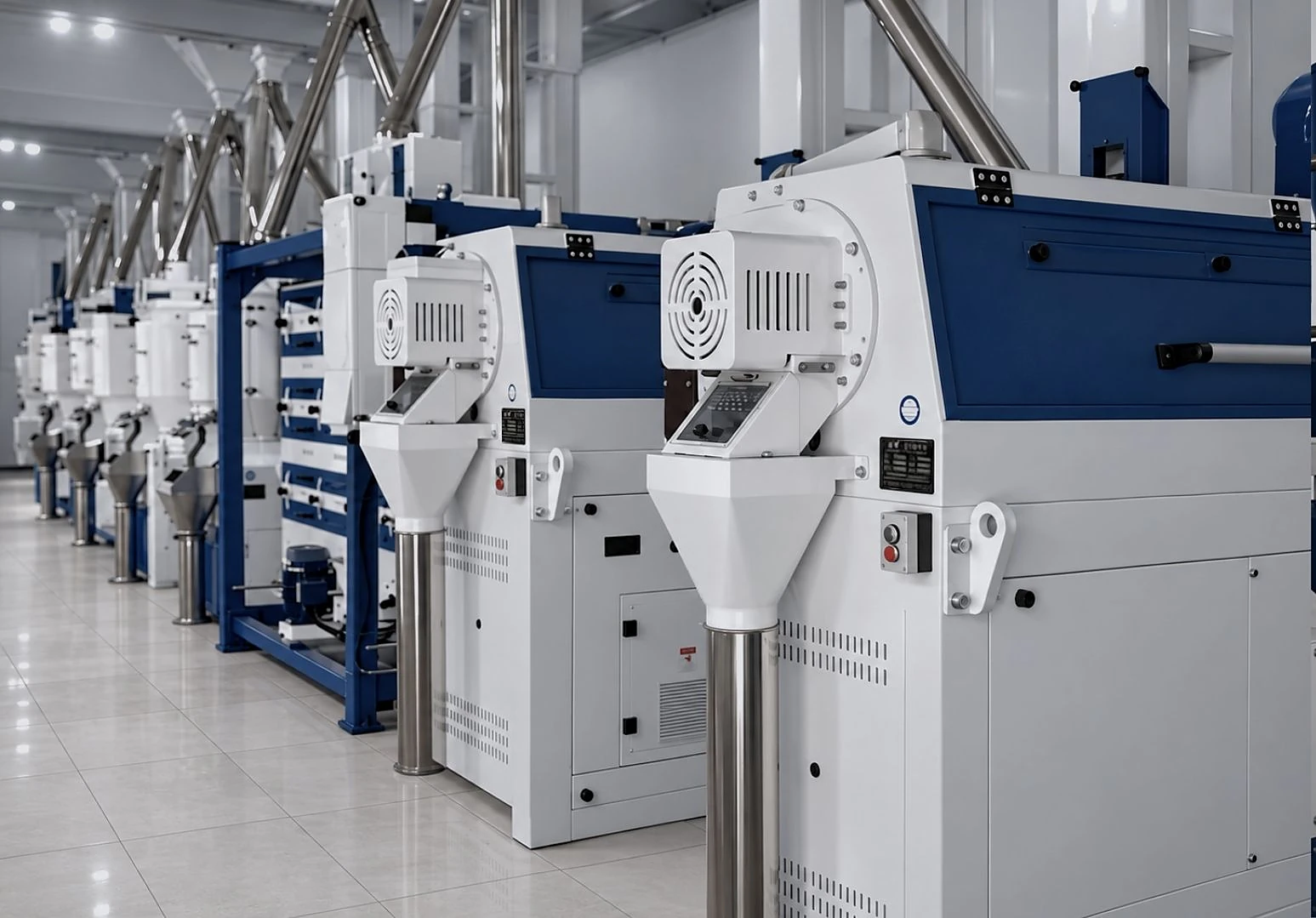
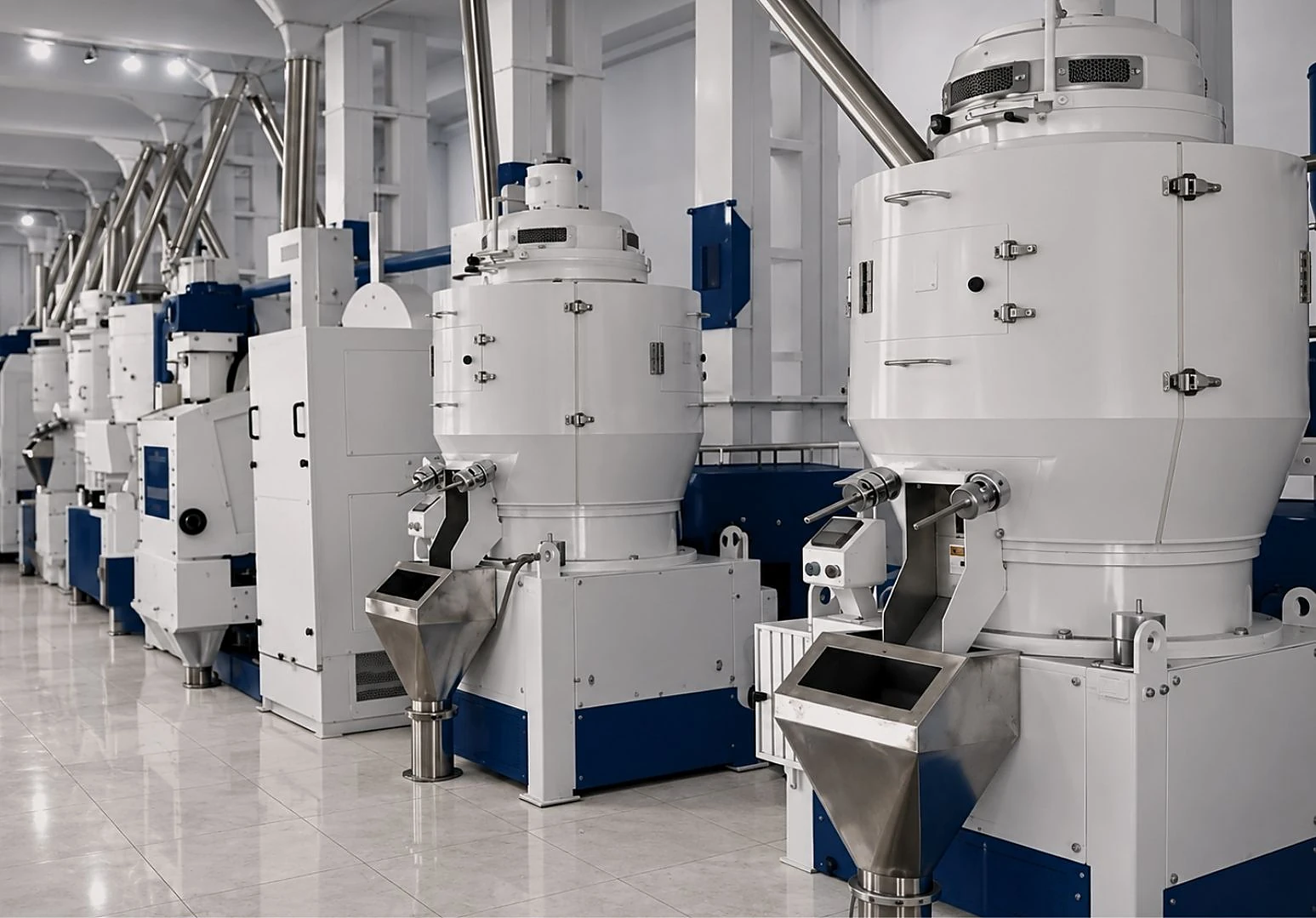
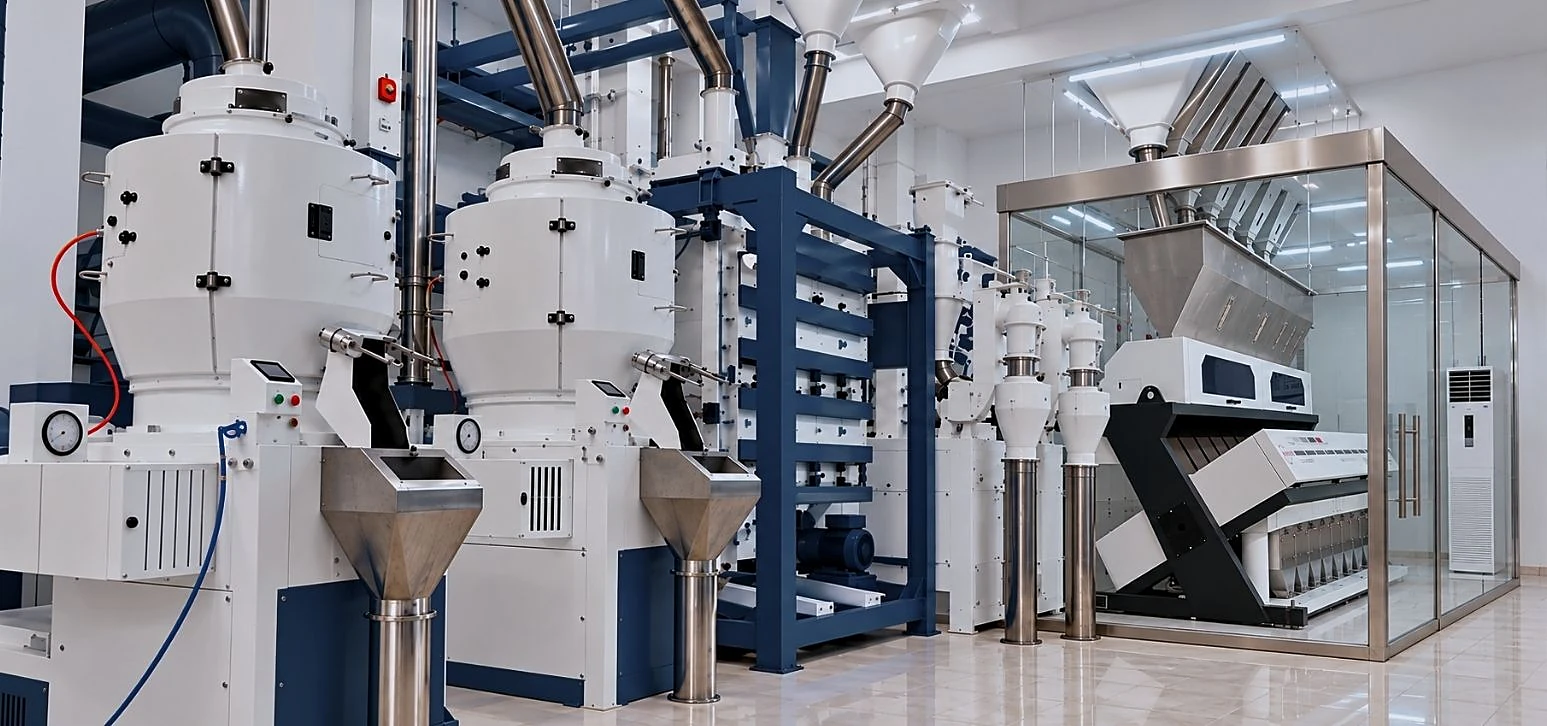
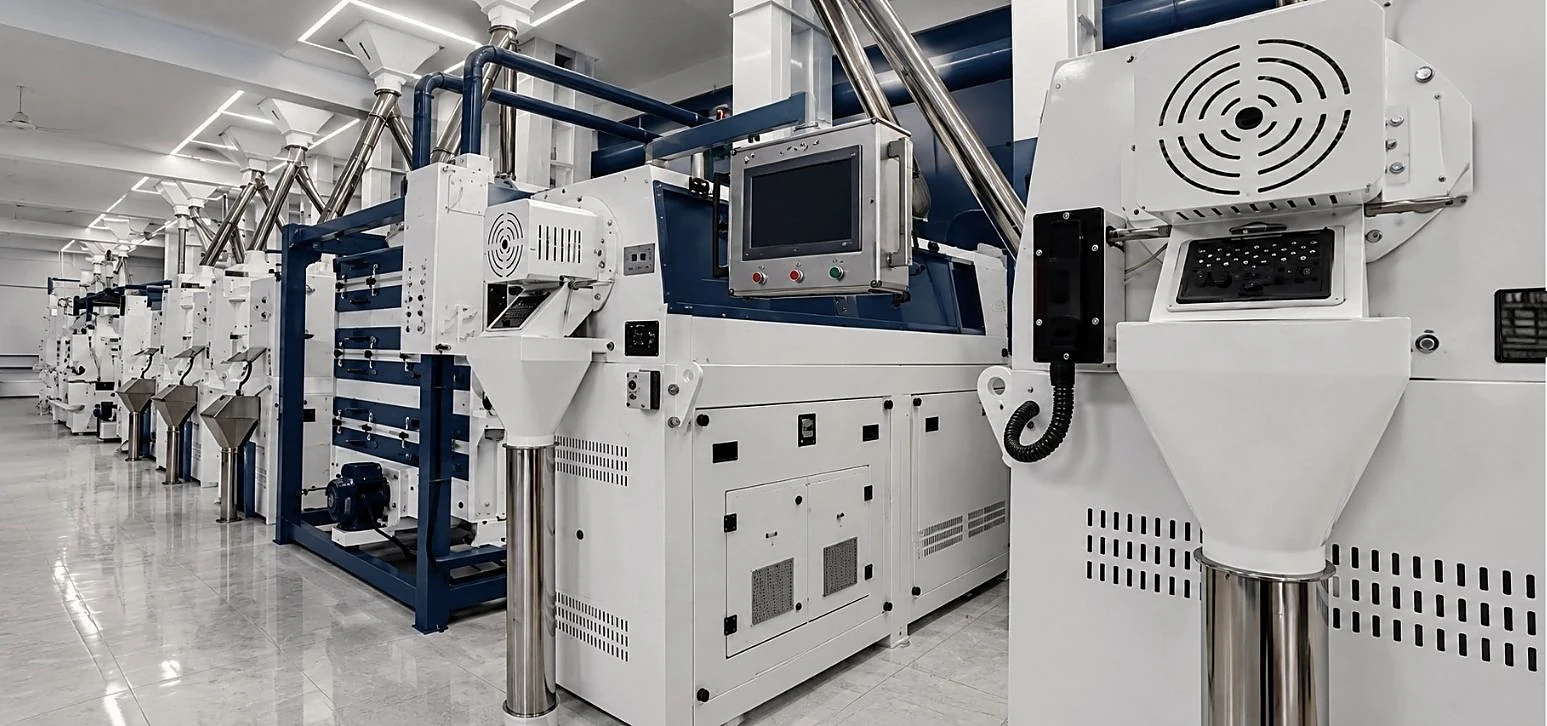
Each stage below is a machine on this unit, in the order a lot passes through it.
Initially, the paddy undergoes a thorough cleaning to eliminate extraneous materials such as straw, stones, hemp rope, and other debris, including dust. This critical pre-processing step effectively prevents operational failures and component damage in subsequent downstream equipment, thereby ensuring the integrity of the entire parboiling system.
Through a controlled process involving vacuum, constant temperature, and pressure, the paddy rapidly absorbs water, achieving a moisture content exceeding 30%. This level of hydration is essential for the complete gelatinization of rice starch during the cooking phase. Depending on the specific rice variety and quality, the soaking temperature typically ranges from 55 to 70 degrees Celsius, with a soaking duration of 3.5 to 4.5 hours.
This stage utilizes high-pressure and high-temperature steam. Precise control over temperature, duration, and steam uniformity is imperative to ensure optimal starch gelatinization without over-processing. When starch gelatinization is adequately achieved, the resulting parboiled rice exhibits a transparent, honey-coloured appearance. By adjusting the cooking parameters, it is possible to produce parboiled rice with light, sub-dark, or dark coloration, tailored to client specifications.
Leveraging heat from the boiler, which is transferred to the air via a heat exchanger, the rice is indirectly dried. This method ensures that the dried rice remains free from contamination and off-odours. The primary objective is to reduce the moisture content to 14% or less, the safe moisture content, to facilitate optimal storage and processing. The drying process is in two stages: an initial rapid phase that reduces paddy moisture from over 30% to approximately 20%, followed by a slow phase to allow for gradual moisture equalization and minimize stress cracking.
Post-drying, the paddy is transferred to vertical storage for temporary holding, allowing for complete conditioning and cooling prior to further processing. The vertical silo is equipped with a ventilation system to dissipate residual heat and ensure uniform moisture distribution throughout the rice. Letting the paddy rest this way allows the moisture inside each kernel to even out before hulling, which reduces cracking and breakage later on the milling line.
A dedicated rice hulling machine is employed to remove the husks from the paddy. The huller strips the husk from each kernel with as little damage to the grain as possible, and an aspiration system draws the loose husk away from the line. What leaves the machine is brown rice with its bran layer still intact, along with a small share of paddy that passed through unhulled, which the next stage separates out.
This process primarily separates brown rice from paddy based on differences in specific gravity and friction coefficient, resulting in three distinct fractions: paddy, brown rice, and a mixed blend.
The rice milling machine incorporates advanced global rice mill whitener technology to optimize rice temperature, reduce bran content, and minimize breakage. Milling removes the bran layer from the brown rice and brings the grain to the degree of whiteness the order calls for.
The rice polishing process involves water-spraying to create a smooth, gelatinous layer on the rice surface, thereby extending its shelf life. An extended polishing chamber is utilized to produce premium quality rice.
The rice grading machine efficiently and precisely separates milled rice into various classifications, including head rice, large broken, medium broken, and small broken grains. Separating the grains by size is what makes it possible to control the share of broken rice in every finished lot.
The rice color sorting machine identifies and removes defective grains such as milky, chalky, and paddy rice, as well as foreign materials. A CCD signal monitors the blanking process, and upon detecting unqualified rice or impurities, an ejector removes the flawed items from the hopper.
This automated weighing and packing system comprises a material box, a packing scale, a sewing machine, and a conveyor belt. It is compatible with all rice mill production lines and offers flexible packing bag capacities ranging from 1 to 50 kg, depending on specific requirements.
Rice from this unit, packed to your specification. Tell us the grade and the volume.